
Please Choose Your Language
Views: 0 Author: Site Editor Publish Time: 2025-06-11 Origin: Site


Laser welding has revolutionized the manufacturing industry by offering precision, speed, and versatility. However, operating a Laser Welding Machine comes with inherent risks that must be understood and mitigated. Among these, the most significant hazard to a welder is eye injury due to exposure to intense laser radiation. This article delves into the various hazards associated with laser welding, emphasizing the paramount importance of eye safety, and provides comprehensive guidelines to ensure a safe working environment.
The human eye is exceptionally vulnerable to laser radiation. Exposure to direct or reflected laser beams can cause severe retinal damage, leading to permanent vision loss. The danger is exacerbated by the fact that certain laser wavelengths, such as the 1070 nm emitted by many Laser Welding Machines, are invisible to the naked eye, making accidental exposure more likely. Even brief exposure can result in irreversible damage.
While eye injury is the most critical concern, several other hazards are associated with laser welding:
Laser welding emits intense infrared (IR) and ultraviolet (UV) radiation, which can cause skin burns upon exposure. Prolonged exposure may also increase the risk of skin cancer and accelerate skin aging.
The laser welding process can generate hazardous fumes, including metal oxides and other toxic substances, depending on the materials being welded. Inhalation of these fumes can lead to respiratory issues and other health problems. Proper ventilation and fume extraction systems are essential to mitigate this risk.
Laser Welding Machines operate at high voltages, posing a risk of electrical shock if not properly maintained. Regular inspection and adherence to safety protocols are crucial to prevent electrical accidents.
The high temperatures involved in laser welding can ignite flammable materials in the vicinity, leading to fires or explosions. Maintaining a clean workspace and keeping flammable substances away from the welding area are vital safety measures.
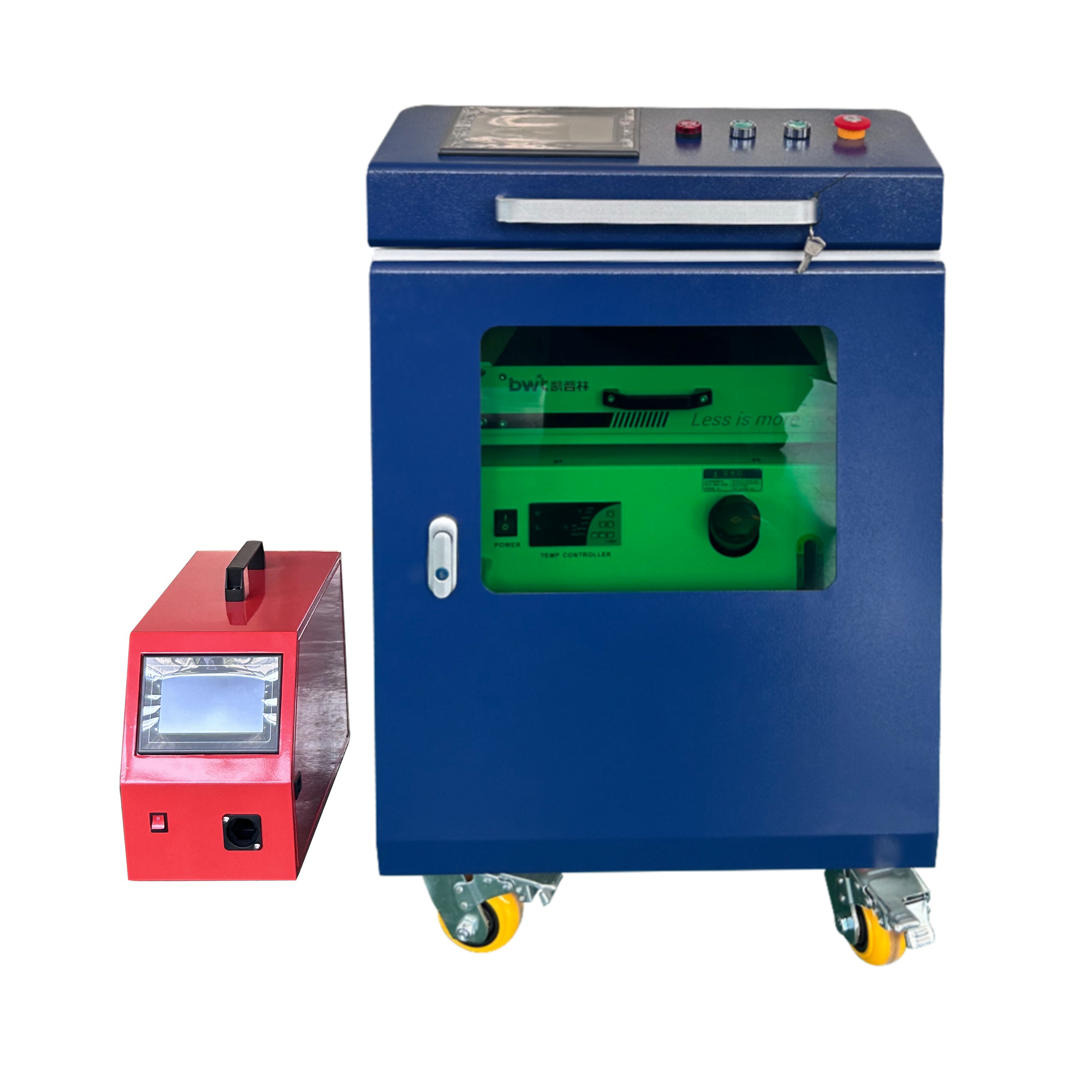
Ensuring safety while operating a Laser Welding Machine involves a combination of engineering controls, administrative controls, and the use of appropriate PPE.
Welders must wear laser safety eyewear that is specifically rated for the wavelength and power of the laser in use. Standard welding helmets may not provide adequate protection against laser radiation. It's essential to inspect eyewear regularly for damage and ensure a proper fit.
Wearing flame-resistant clothing, gloves, and face shields can protect the skin from burns caused by laser radiation and hot metal splatter. All exposed skin should be covered during the welding process.
Depending on the materials being welded, appropriate respiratory protection may be necessary to prevent inhalation of hazardous fumes. This can include fume extraction systems and respirators.
Establishing a designated laser-controlled area (LCA) with appropriate warning signs and access restrictions can prevent unauthorized personnel from exposure. The workspace should be free of flammable materials, and proper ventilation should be in place.
Operators of Laser Welding Machines must undergo comprehensive training that covers:
Understanding laser classifications and associated risks.
Proper use and maintenance of PPE.
Emergency procedures in case of accidents.
Compliance with relevant safety standards and regulations.
Regular refresher courses and safety drills can reinforce safe practices and ensure ongoing compliance.
The eye's sensitivity to laser radiation, especially at invisible wavelengths, makes it highly susceptible to damage. Even brief exposure can cause permanent vision loss, making eye injury the most significant hazard.
No, standard welding helmets are not designed to protect against the specific wavelengths emitted by Laser Welding Machines. Specialized laser safety eyewear is required.
Implementing fume extraction systems and maintaining adequate airflow can help ensure that hazardous fumes are effectively removed from the workspace.
Seek immediate medical attention, even if no symptoms are present. Document the incident and review safety protocols to prevent future occurrences.
Yes, organizations like OSHA and ANSI provide guidelines and standards for laser safety. Compliance with these regulations is essential for workplace safety.
Operating a Laser Welding Machine offers numerous advantages in precision and efficiency. However, it's imperative to recognize and mitigate the associated hazards, with eye injury being the most critical. By adhering to safety protocols, using appropriate PPE, and maintaining a safe workspace, welders can protect themselves and others from potential harm.
For a visual overview of laser welding hazards and safety measures, you may find the following video informative:


