
Please Choose Your Language
Views: 0 Author: Site Editor Publish Time: 2026-04-01 Origin: Site


Laser glass drilling technology is a cutting-edge solution used to create precise holes in glass with high accuracy and efficiency. This process involves focusing a powerful laser beam onto the glass surface, where the energy of the laser either melts or vaporizes the material, resulting in clean and precise holes. Unlike traditional mechanical drilling, which uses rotating bits to physically cut into the glass, laser drilling is a non-contact method, meaning there is no physical tool making contact with the material. This significant difference reduces the risks of glass breakage, edge chipping, and material stress. Additionally, laser drilling can achieve much higher precision and consistency, making it an ideal choice for intricate designs and delicate applications. It is especially favored in industries such as glass furniture manufacturing, electronics, and architectural design, where both the quality of the material and the precision of the holes are paramount. The ability to drill thin, thick, clear, coated, or tempered glass with minimal damage and high repeatability is why laser drilling is increasingly preferred over traditional mechanical methods in glass processing.
Laser drilling can be applied to a variety of glass types, each with its own characteristics that impact how the drilling process is carried out. Below are some of the most commonly drilled glass types:
Clear glass, such as standard float glass, is commonly used in windows, mirrors, and furniture. It is the most straightforward material for laser drilling due to its transparency, which allows the laser beam to penetrate easily and create clean, precise holes without affecting the glass’s visual clarity.
Ultra-clear glass is characterized by its high transparency and minimal impurities, making it an ideal candidate for laser drilling. The lack of defects allows for consistent penetration of the laser, leading to high-quality drilled holes that preserve the glass’s clarity and appearance.
Tempered glass is heat-treated to be stronger than regular glass and is widely used in safety applications, such as in glass tables or automobile windows. Laser drilling can be applied to tempered glass, but only after it has undergone the tempering process. Pre-tempered glass may shatter when exposed to the heat of the laser. Post-tempering, laser drilling provides a clean, precise hole without compromising the material’s structural integrity.
Colored glass, often used in decorative items like stained glass and artistic designs, can also be laser drilled. Laser drilling on colored glass allows for intricate designs or hole patterns. However, caution must be exercised as certain colored glasses may require adjustments in laser settings to avoid damaging the color or finish.
Coated glass features special treatments such as anti-glare, reflective, or UV coatings. Laser drilling on coated glass can be done, but care must be taken to adjust the laser settings to prevent damage to the coating. A well-calibrated laser can ensure that only the glass is affected while preserving the functional coatings.
Several factors affect how well laser drilling performs on different types of glass. These include the thickness of the glass, the laser power, and the type of glass being drilled. The following factors play a significant role in the process:
The thickness of the glass significantly affects the laser drilling process. Thicker glass requires higher laser power and longer exposure times to achieve the desired results. Different types of glass also impact drilling speed and precision—clear or ultra-clear glass tends to allow faster and more accurate drilling, while colored or coated glass may require more careful adjustment to prevent damage to the material.
Laser power is one of the most crucial elements in glass drilling. Thicker glass needs more power to drill through, but too much power can cause cracking or undesirable effects on the edges. The laser machine’s power should be adjusted based on the thickness and type of glass to ensure that the drilling process remains clean, efficient, and precise.
Coatings on the glass, such as reflective, tinted, or anti-glare treatments, can impact the laser’s heat distribution during drilling. Glass transparency plays a role in how the laser interacts with the material. Transparent glass allows the laser beam to pass through more easily, while coated or darkened glass absorbs more heat, requiring adjustments in the laser’s settings to avoid damaging the coating or causing surface distortion.
Laser drilling offers several advantages when used for various types of glass. The process is highly versatile and provides numerous benefits, especially when compared to traditional mechanical drilling methods. Below are the key advantages of laser drilling for different types of glass:
One of the primary advantages of laser drilling is its exceptional precision. Laser technology allows for extremely fine holes, even in delicate glass materials. This makes it ideal for creating intricate designs or complex patterns in glass. Whether it's drilling small, tight holes or executing detailed shapes, the precision of laser drilling ensures that the final product meets the exact specifications without the need for rework or adjustments.
Laser drilling also supports customizable hole patterns, making it ideal for applications that require artistic or functional perforations, such as in decorative glass or sensor windows. The ability to achieve high-precision drilling on ultra-clear and tempered glass makes it a versatile solution across various industries, including furniture, architecture, and electronics.
Unlike traditional drilling methods, which use mechanical tools that physically contact the glass, laser drilling is a non-contact process. This means that there is no direct pressure or friction applied to the surface of the glass, significantly reducing the risk of cracking, edge chipping, or surface damage.
The non-contact nature of the laser beam is especially beneficial when working with delicate glass types like tempered glass or colored glass, which are more prone to breaking under physical stress. Since the laser beam heats and vaporizes the glass locally, there is minimal mechanical force exerted, preserving the glass’s structural integrity. This also reduces the likelihood of heat-induced damage in sensitive areas of the glass, ensuring that the material remains undistorted and functional.
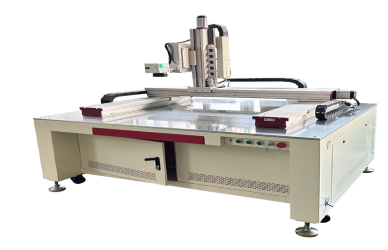
Laser drilling has revolutionized the production of glass furniture. By enabling precise hole placements, it is commonly used to create sleek, modern glass tables, shelves, and cabinet panels. The precision ensures clean, smooth edges, which are crucial for aesthetic and safety purposes. It is especially popular for drilling through tempered glass or ultra-clear glass, both of which are commonly used in furniture due to their durability and high clarity.
Laser drilling is widely used in architectural glass applications, such as creating holes for mounting hardware, securing glass panels, or decorative patterns in large glass installations. This application is popular for clear glass or colored glass used in building facades or interior décor, as laser drilling leaves minimal marks and ensures that the glass retains its visual appeal.
Laser drilling is also crucial in the electronics industry for creating holes in glass used in sensor windows, displays, and touchscreens. The ability to drill ultra-thin holes in clear or coated glass is key to ensuring these devices function without compromising the integrity of the glass.
In luxury products such as high-end glassware or intricate decorative glass items, laser drilling allows manufacturers to create unique designs and detailed patterns. By drilling with precision, artisans can create decorative glass pieces with detailed holes, ideal for bespoke products, which are highly valued in both the art and commercial industries.
Yes, laser drilling can be applied to ultra-clear glass, providing high precision without affecting its transparency. The high clarity and minimal impurities in ultra-clear glass make it an ideal candidate for laser drilling, ensuring that the holes are clean and accurate while preserving the glass's visual appeal and integrity.
Thicker glass requires more laser power and longer drilling times. As the thickness of the glass increases, the laser must exert more energy to penetrate the material. Laser machines are highly adjustable and can be optimized for various glass thicknesses, ensuring that the drilling process is efficient and the final result is precise. For thicker glass, slower drilling speeds may be necessary to avoid cracks or distortion.
Yes, laser drilling can handle coated glasses, but adjustments are needed to prevent coating damage. When working with reflective or tinted glass, special care is taken to adjust the laser settings to avoid damaging the coating while still achieving the desired hole size and shape. Coated glass requires fine-tuning of the laser's power, speed, and focus to ensure that only the glass itself is affected, leaving the coating intact and functional.
Yes, laser drilling is a safer option for fragile glass compared to mechanical drilling methods. Since laser drilling is a non-contact process, there is no physical pressure applied to the glass, significantly reducing the risk of breakage, cracking, or edge chipping. The absence of physical contact also means there is less risk of introducing stress to delicate materials, making laser drilling a preferred choice for applications involving fragile or thin glass types.
Laser drilling technology offers unparalleled flexibility and precision when working with different types of glass, making it an ideal solution for a wide range of applications. Whether it's clear glass, ultra-clear glass, tempered glass, colored glass, or coated glass, laser drilling provides clean, accurate holes with minimal risk of damage such as cracking or edge chipping. The non-contact nature of the process ensures that even fragile glass types can be drilled safely, preserving their integrity. Companies like Liaocheng Easy Automation Equipment Co., Ltd., with its advanced laser technology, can help businesses across industries—from furniture design and architecture to electronics and luxury glassware production—leverage laser drilling technology to meet the growing demand for precision and customization. By integrating laser drilling into their production lines, businesses can achieve high-quality results, reduce material waste, and enhance the overall efficiency of their manufacturing processes, opening up new possibilities for innovative glass applications.


