
Please Choose Your Language
Views: 0 Author: Site Editor Publish Time: 2026-08-31 Origin: Site


Industrial surface preparation often forces a difficult compromise. You usually have to choose between removing stubborn contaminants and preserving the integrity of the underlying substrate. Traditional methods like sandblasting, chemical stripping, and mechanical grinding introduce severe complications on the shop floor. They cause abrasive media embedding, create expensive chemical disposal requirements, and induce irreversible substrate wear. These issues inevitably lead to premature part failure and inflated operational costs across the production line. Determining whether a Pulsed Laser Cleaning Machine is a viable investment requires a strict technical evaluation. You must understand exactly how specific surface materials react to nanosecond bursts of photonic energy. This guide breaks down substrate suitability, ablation thresholds, and implementation realities. You will learn which materials thrive under laser cleaning and which require extreme operational caution before you strike an arc or apply a new coating.
Pulsed laser systems excel on high-value metallic substrates, utilizing high peak power and short pulse durations to vaporize contaminants without inducing thermal distortion (Heat-Affected Zones).
Suitability relies entirely on the contrast in ablation thresholds between the target layer (e.g., rust, paint, varnishes) and the base material; a wider gap ensures zero-damage cleaning.
Porous and non-metallic surfaces (stone, concrete, composites) are conditionally suitable but require precise parameter control to prevent micro-fracturing or matrix degradation.
Procurement decisions should be based on empirical coupon testing (sample testing) to validate beam interaction with adjacent surfaces and complex geometries in your specific workflow.
Physics dictates exactly how laser ablation works on an industrial scale. The machine differentiates between the contaminant layer and the substrate using specific energy absorption rates. Every material possesses a unique ablation threshold. This threshold represents the exact energy density required to break molecular bonds and vaporize that specific material into a plasma plume. Success in laser cleaning depends entirely on a clear contrast between these thresholds. The ideal scenario occurs when the contaminant has a very low ablation threshold while the substrate has a significantly higher threshold. Common surface contaminants include heavy oil products, thick oxidation, and cured varnishes.
When the operator pulls the trigger, a highly specific sequence of physical events occurs on the surface of the part. Understanding this sequence helps operators troubleshoot poor cleaning results and adjust their machine parameters effectively.
The operator sets the focal distance, ensuring the laser beam converges exactly on the top layer of the contaminant.
The laser source emits high-peak-power pulses of infrared light, typically at a 1064nm wavelength.
The dark, absorptive contaminant layer absorbs this intense photonic energy instantly.
The rapid energy absorption causes the contaminant to exceed its ablation threshold, instantly turning it from a solid into a gas and plasma.
The underlying base material, which has a much higher ablation threshold and higher reflectivity, bounces the remaining beam energy away harmlessly.
This physical reaction ensures the underlying part remains completely untouched and structurally sound. If the ablation thresholds of the contaminant and the base material are too close, the operator risks damaging the substrate. This is why understanding your specific materials is the first step in any surface preparation workflow.
Heat management separates pulsed lasers from traditional continuous wave (CW) lasers. CW lasers deliver a constant, uninterrupted stream of energy. This constant delivery builds up heat rapidly within the material, acting much like a cutting or welding laser. Pulsed systems operate on a completely different thermal dynamic. They fire ultra-short nanosecond or picosecond bursts of concentrated energy. These incredibly short pulse durations allow the substrate to cool rapidly between each individual pulse. This rapid thermal relaxation cycle prevents micro-melting on the surface. It also stops unwanted metallurgical changes deep within the base material.
Strict thermal management is absolutely necessary for processing thin-gauge metals and heat-sensitive aerospace alloys. Controlling the heat input eliminates the risk of warping. It preserves the structural integrity and mechanical properties of the precision part. When you apply too much heat to a thin steel panel, it oil-cans and distorts. Pulsed technology prevents this by limiting the actual time the laser energy interacts with the metal.
Parameter | Continuous Wave (CW) Lasers | Pulsed Lasers |
|---|---|---|
Energy Delivery | Constant, uninterrupted beam | Short, high-intensity bursts |
Thermal Buildup | High; heat accumulates rapidly | Low; material cools between pulses |
Risk of Warping | High on thin materials | Extremely low |
Best Application | Thick rust, non-precision heavy plate | Precision parts, aerospace, molds, thin gauge |
Carbon steel and cast iron represent the absolute ideal candidates for laser cleaning technology. Operators routinely use this equipment for heavy rust removal and thick mill scale eradication in shipyards and pipeline fabrication shops. It also excels at degreasing heavy oil products and removing stubborn scale after welding operations. The process restores the metal directly to a bare, highly active, weld-ready state. It achieves this precise finish without altering the original surface geometry or inducing unwanted work hardening.
These ferrous metals are highly suitable due to the massive gap in their ablation thresholds. Iron oxide absorbs the 1064nm laser energy rapidly and violently. The base steel simply reflects the remaining light. This specific dynamic makes steel cleaning incredibly fast, exceptionally safe, and highly efficient for heavy industry. You can take a heavily rusted I-beam and return it to white metal in minutes without leaving behind piles of spent garnet or silica sand.
Aluminum requires a much more calculated and precise approach. Aerospace manufacturers frequently perform oxide laser cleaning prior to critical non-destructive testing (NDT). It also perfectly prepares surfaces for high-strength welding or advanced aerospace coating applications. However, aluminum features a lower melting point and high thermal conductivity compared to carbon steel. You must implement strict risk mitigation strategies during processing.
Operators need precise frequency adjustments and exact focal control. Incorrect parameters can easily cause surface micro-pitting or unwanted melting on 6000 or 7000 series aluminum alloys. Dialing in the correct pulse energy ensures the tenacious oxide layer vaporizes completely. Meanwhile, the soft aluminum substrate remains completely intact and ready for immediate processing. Welders notice a massive drop in porosity when welding aluminum that has been prepped with a laser compared to a wire brush.
Copper and brass present unique optical challenges for standard equipment. These highly reflective metals bounce the standard 1-micron wavelength of most fiber lasers directly back toward the source. This intense back-reflection risks severe, catastrophic damage to the laser's internal fiber optic components. You can clean these materials safely, but you need highly specific machine parameters and hardware.
Equipment must feature specialized optical isolators to physically block reflected beams from entering the source. Operators must also utilize specific beam delivery angles to direct reflections safely away from the focusing lens. You never point the laser perfectly perpendicular to a copper surface. Instead, you angle the cleaning head slightly so the reflected light bounces away into a safe zone. In some specialized cases, utilizing alternative wavelengths like green or UV lasers provides a much safer route for cleaning highly reflective substrates without risking equipment failure.
Industrial molds require frequent, meticulous maintenance to maintain part quality. Facilities use lasers to remove stubborn polymer release agents, baked-on rubber residues, and hard carbon buildup. This application applies heavily to tire injection molds, PET bottle molds, and commercial baking plates. The value proposition here is massive for high-volume manufacturers. Zero-abrasion cleaning extends the functional lifespan of expensive tooling almost indefinitely.
Traditional abrasive methods slowly wear down critical mold tolerances over time. A sandblaster will eventually round off the sharp edges of a precision injection mold. Lasers preserve those exact dimensions flawlessly. Furthermore, operators can perform in-situ cleaning while the massive steel molds are still hot. You can roll a mobile laser unit right up to the press, clean the mold at 150 degrees Celsius, and put it right back into production. This eliminates the lengthy teardown and cooling time, keeping production lines moving efficiently.
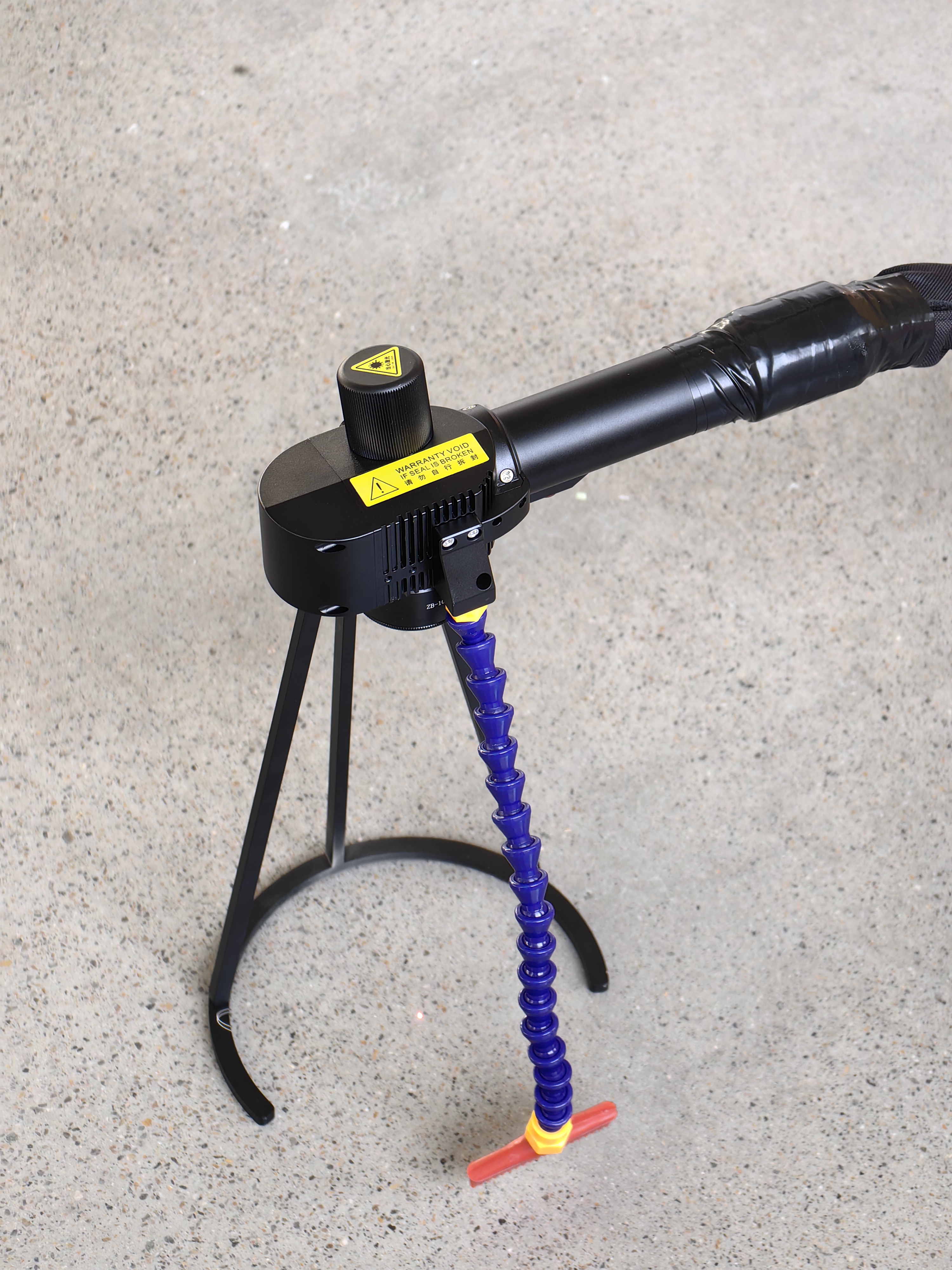
Restoration experts increasingly use lasers for delicate heritage conservation projects. The technology effectively removes deep-seated carbon pollution, graffiti, and biological growth from stone, brick, and concrete facades. However, implementation carries specific risks. Porous materials absorb liquid paint and environmental contaminants deeply into their physical matrix. A pulsed laser cleaning machine holds a distinct, necessary advantage over CW systems here.
Short pulses ablate the surface layer rapidly without baking the paint deeper into the porous structure. Operators must use careful, iterative, multi-pass cleaning techniques. You cannot just blast the surface with maximum power and expect a clean brick. Rushing the process with excessively high power can cause micro-spalling. The rapid expansion of trapped moisture or gas can easily fracture the delicate masonry surface beyond repair. You must sweep the beam quickly and lightly, removing the contaminant one microscopic layer at a time.
Wood restoration requires extreme finesse and specialized training. Conservators utilize a paint removal laser for delicate projects involving historic varnishes and aged coatings on antique furniture or architectural elements. The physical limitations are severe. Wood carries a remarkably high risk of charring or burning because of its fragile cellulose structure.
Successful cleaning requires ultra-low energy density settings. Operators must use exceptionally high scanning speeds to prevent heat buildup in any single microscopic spot. If the beam lingers for even a fraction of a second too long, the wood will scorch, leaving a permanent black mark. This application demands expert operator oversight and constant visual monitoring. Only highly trained personnel should ever attempt laser cleaning on irreplaceable historic wooden artifacts.
Aerospace and advanced automotive sectors use lasers cautiously on plastics and composites. Applications include selective paint stripping on aircraft radomes and precise surface activation for structural adhesive bonding on carbon fiber car chassis. Evaluating this process reveals an extremely narrow margin of operational error. Carbon Fiber Reinforced Polymers (CFRP) and Glass Fiber Reinforced Polymers (GFRP) are highly sensitive to thermal damage.
The laser must strip the top polyurethane coating without exposing the underlying fibers. If the beam penetrates even slightly too deeply, it degrades the critical epoxy matrix holding the fibers together. This permanently compromises the structural integrity of the composite part. Precise parameter validation through extensive coupon testing is absolutely non-negotiable. You must test the exact coating and the exact composite layup in a lab before you ever touch a production part.
Standard 1-micron wavelength pulsed lasers are highly ineffective on transparent materials. Glass and clear acrylics simply do not absorb this specific wavelength of infrared light. Instead, the intense beam passes directly through the material without interacting with the surface. It acts exactly like sunlight passing through a window.
If surface contamination does absorb the heat, it transfers that thermal energy rapidly to the underlying glass. This causes uncontrolled thermal shattering rather than clean, controlled surface ablation. The glass expands unevenly and cracks instantly. Attempting to clean standard glass windows, optical lenses, or acrylic panels with a standard fiber laser usually results in broken parts and wasted production time. You must use mechanical methods or specialized CO2 lasers for these materials.
Safety compliance is paramount when dealing with reactive or hazardous substrates. You must avoid using lasers on surfaces coated in highly flammable solvents or explosive metallic dusts. The intense heat of the localized plasma plume can easily ignite these volatile materials, causing a flash fire or explosion in the workspace.
Additionally, vaporizing certain chemical compounds emits highly toxic off-gassing. Materials like hexavalent chromium primers on aerospace parts or aged lead paint on bridge steel pose severe health risks when rendered airborne. Cleaning these specific contaminants requires specialized, high-volume HEPA fume extraction systems. Without proper environmental controls, vaporizing toxic coatings creates an immediately hazardous work environment for all personnel in the facility. You must capture the plasma plume at the source.
Matching surface density to specific energy requirements dictates your correct equipment choice. You cannot use a massive shipyard laser to clean a delicate historical artifact. Low-power systems ranging from 50W to 100W are ideal for historical artifacts, thin-gauge aluminum panels, and injection molds. They provide the delicate, controlled touch needed for highly sensitive substrates.
High-power systems, pushing 500W to 1000W or more, tackle completely different industrial jobs. You need this massive peak power for thick marine rust, heavy industrial molds, and deep weld scale on structural steel. Mapping your primary application to the correct wattage tier prevents both catastrophic surface damage and frustrating underperformance.
Wattage Tier | Typical Pulse Energy | Primary Substrates | Ideal Applications |
|---|---|---|---|
50W - 100W | 1mJ - 2mJ | Wood, thin aluminum, historical stone | Varnish removal, light degreasing, artifact restoration |
200W - 300W | 10mJ - 15mJ | Carbon steel, cast iron, aerospace alloys | Weld prep, medium rust removal, mold cleaning |
500W - 1000W+ | 50mJ - 100mJ+ | Heavy structural steel, marine plate | Thick mill scale, marine epoxy removal, heavy rust |
Advanced optics control exactly how energy interacts with complex 3D geometries. Focal length and scanning optics determine the precise energy distribution across the part. Cleaning inside deep engine crevices requires a vastly different optical setup than stripping flat steel panels. A longer focal depth allows the beam to reach deep into tight spaces without losing critical intensity.
Adjusting the spot size changes the overall energy density hitting the surface. A smaller spot concentrates the power for stubborn rust spots, acting like a high-pressure nozzle. A wider spot speeds up the cleaning of light surface oxidation across large areas, acting like a wide spray fan. Operators must constantly adjust these optical parameters based on the geometry of the part sitting on their workbench.
Industrial environments rarely feature simple, single-material parts. Operators constantly face the reality of cleaning complex, mixed-material assemblies. User concerns regarding collateral damage to adjacent parts are entirely valid. You must implement practical, reliable mitigation strategies before you pull the trigger.
Strict masking requirements help protect sensitive areas from dangerous beam scatter risks. Operators develop specific physical techniques to protect adjacent components. For example, you must meticulously shield wiring harnesses, glass sensors, or rubber gaskets with heavy aluminum tape when cleaning metal flanges during automotive restoration. Proper beam control, adjusting the angle of attack, and physical shielding ensure the laser only impacts the intended target zone.
Traditional cleaning methods consume massive amounts of physical material daily. Compare the lifecycle costs of chemical solvents and abrasive media directly against laser technology. Abrasives require continuous purchase orders, dedicated warehouse storage, and expensive hazardous waste disposal contracts. When you sandblast a lead-painted bridge, you now have tons of lead-contaminated sand that requires specialized disposal.
A pulsed laser system eliminates these recurring operational expenses entirely. The primary operating costs are minimal electrical consumption and occasional protective lens maintenance. You plug the machine into the wall, and it runs. This drastic reduction in consumable dependency rapidly accelerates the return on investment for high-volume production facilities. You stop paying for sand, you stop paying for chemicals, and you stop paying for waste removal.
Labor costs often hide the true, staggering expense of industrial surface preparation. Fast, non-abrasive laser cleaning eliminates extensive manual labor hours. Workers no longer spend entire shifts on tedious masking, complex part teardown, or secondary surface prep. You do not have to plug every single threaded hole on an engine block before laser cleaning, unlike sandblasting.
Furthermore, laser cleaning produces absolutely no secondary waste media. This completely eliminates the tedious post-cleaning media cleanup required after traditional sandblasting operations. You do not have to sweep the floor or blow out blind holes with compressed air. Calculating these hidden time savings reveals a massive boost in overall throughput. Parts move from preparation to final production much faster, drastically increasing overall facility output.
Audit your primary substrates and base your equipment selection directly on their thermal tolerance and specific ablation thresholds.
Avoid overbuying power; select lower wattage systems if your primary substrates are delicate, thin-gauge, or heat-sensitive.
Mandate a strict proof-of-concept by sending material coupons of your exact substrates to the manufacturer for application testing.
Request a detailed metallurgical analysis of the cleaned samples to verify structural integrity before finalizing any procurement decisions.
Implement proper safety protocols and high-volume fume extraction systems specifically tailored to the chemical coatings you intend to vaporize.
A: Yes, if incorrect parameters are used. However, when properly calibrated, the laser vaporizes the contaminant while the base metal reflects the remaining energy. This ablation threshold gap allows for zero-damage cleaning. Operators must match the pulse energy and scanning speed to the specific metal to prevent micro-melting or surface pitting.
A: Yes, pulsed lasers are highly effective for thin automotive panels. Unlike continuous wave lasers or abrasive blasting, short pulses prevent heat buildup. This thermal management stops the thin sheet metal from warping or distorting. Operators must use appropriate power levels and maintain a steady scanning speed to ensure safe paint stripping.
A: It significantly improves weldability. Laser cleaning removes the porous aluminum oxide layer and surface contaminants without leaving abrasive grit behind. This creates a pure, bare metal surface. Welders experience fewer porosity issues and achieve stronger, cleaner welds. It is a preferred preparation method in aerospace and high-end manufacturing.
A: Stray laser energy can damage adjacent sensitive materials. Glass may shatter from thermal shock, and rubber can melt or burn. Operators must use physical masking, such as metal shields or specialized aluminum tape, to protect these components. Proper beam control and adjusting the focal angle also minimize the risk of accidental beam scatter.
A: Yes, but it requires conditional suitability and expert control. Operators must use ultra-low energy densities and fast scanning speeds. For masonry, iterative multi-pass cleaning prevents micro-spalling. For wood, strict parameter control prevents the cellulose structure from charring. It is a delicate process reserved for trained restoration professionals.
A: Pulsed lasers deliver energy in nanosecond bursts, allowing the surface to cool between impacts. This prevents heat accumulation, melting, and charring. CW lasers deliver a constant stream of heat, which easily damages delicate substrates and bakes contaminants deeper into porous materials like stone or concrete.


