
Please Choose Your Language
Views: 0 Author: Site Editor Publish Time: 2026-04-08 Origin: Site


Laser Glass Drilling Machines are advanced tools used for creating precise holes in various types of glass, including tempered glass. Tempered glass is a heat-treated material known for its enhanced strength and durability, which is widely used in applications like windows, doors, and automotive glass. However, due to the nature of its treatment, tempered glass becomes more susceptible to cracking or shattering when subjected to improper handling or drilling techniques. Because of this, safety precautions are critical when drilling tempered glass. The high pressure and heat generated during the drilling process can cause the glass to fracture if not managed carefully. Ensuring the right equipment, proper handling, cooling methods, and personal protective gear is essential to maintain both the quality of the glass and the safety of the operator during the drilling process.
Tempered glass is a type of safety glass that has been heat-treated to increase its strength. This process involves heating the glass to a high temperature and then rapidly cooling it, creating compressive stress on the surface and tensile stress in the center. As a result, tempered glass is significantly stronger than regular glass and is designed to break into small, less dangerous pieces when shattered, rather than large, sharp shards. This makes it ideal for applications where safety is a concern, such as windows, doors, and automotive glass.
While tempered glass is stronger than standard glass, it is also more brittle when it comes to sudden or localized impacts, such as drilling. The heat-treatment process introduces internal stresses, which, if disturbed during drilling, can cause the glass to crack or shatter. The drilling process can create microfractures or uneven stress distribution, which is why tempered glass requires specific techniques and precautions during drilling to avoid breaking the glass.
· Increased Surface Stress: Tempered glass has compressive stress on the surface, making it more resistant to impact but more sensitive to localized forces, such as those from a drill bit.
· High Strength: While it is tough and resistant to breaking under normal circumstances, tempered glass becomes more vulnerable to cracks or breakage if the right drilling techniques are not used.
· Brittleness: Due to its internal stresses, tempered glass tends to shatter into small, less harmful pieces when it breaks, which can create dangerous shards during drilling if proper precautions aren't taken.
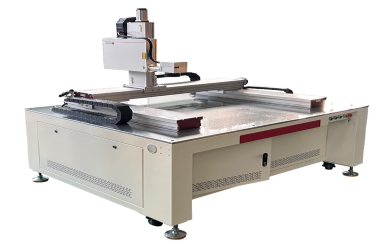
Using the right tools is crucial when drilling tempered glass. Laser Glass Drilling Machines are ideal for precise drilling with minimal heat and pressure, reducing the risk of cracking. Additionally, diamond-tipped bits are recommended for drilling tempered glass as they offer the required sharpness and durability to make clean holes without damaging the glass. The right equipment helps ensure that the drilling process is smooth, efficient, and safe.
Proper handling and mounting of tempered glass are essential to prevent stress or breakage during drilling. The glass should be securely clamped or mounted using suction cups or custom fixtures designed for glass handling. This prevents any movement that could cause tension on the glass during the drilling process. A stable setup ensures that the glass does not shift, minimizing the risk of cracks or fractures.
Using water or air cooling systems during the drilling process helps prevent the glass from overheating. Overheating can cause the glass to become more brittle and increase the likelihood of breakage. Cooling helps dissipate heat, reducing thermal stress and ensuring a smooth drilling process. Water cooling also provides lubrication for the drill bit, further preventing damage to both the glass and the bit.
Personal protective equipment is essential when drilling tempered glass to protect workers from flying debris and glass shards. Essential PPE includes safety glasses to shield eyes from debris, gloves to protect hands from sharp edges, and face shields to safeguard the face. Protective aprons or clothing can also be worn to minimize exposure to sharp glass pieces.
Before beginning the drilling process, it is critical to inspect the tempered glass for any cracks, defects, or pre-existing tension. These imperfections can increase the likelihood of breakage during drilling. A visual inspection can identify visible cracks or weaknesses in the glass, while a tap test can help detect internal stress points. If any defects are found, the glass should not be drilled, as doing so may result in catastrophic failure.
· Start at Low Speed: Begin drilling at a low speed to gradually introduce the drill bit to the glass. This helps minimize the initial stress on the glass surface and prevents sudden impacts that could cause cracking.
· Gradually Increase Speed: Once the bit is in contact with the glass, gradually increase the speed to maintain a smooth, steady drilling pace. Avoid high speeds, as this can generate excessive heat and put undue stress on the tempered glass.
· Maintain Consistent Pressure: Apply even, moderate pressure throughout the drilling process. Excessive pressure can crack the glass, while too little pressure can cause the drill bit to slip or wander, resulting in an inaccurate hole.
· Monitor the Drill Bit Condition: Regularly check the condition of the drill bit. A dull or worn-out bit can cause uneven drilling, overheating, or damage to the glass. Replace the drill bit if necessary to ensure smooth and precise drilling.
· Continuous Cooling: Use a water-cooled system or air cooling to prevent the glass from overheating during drilling. Continuous cooling helps dissipate the heat generated by friction between the drill bit and glass, which can cause localized thermal stress.
· Check for Overheating: Monitor the temperature of the glass, particularly around the drilling site, to ensure it does not exceed safe limits. Tempered glass is highly sensitive to heat, and overheating can weaken it, making it more prone to cracking or shattering.
· Cool in Intervals: If using water or air cooling, ensure the cooling process is steady, but also allow short pauses between drilling intervals to ensure the glass cools down properly before continuing.
· Handle with Care: After drilling, tempered glass should be carefully handled to avoid stress or impact. Use padded gloves or soft cloths to handle the glass, ensuring it is not dropped or subjected to sudden force.
· Secure the Glass Properly: If the glass needs to be moved, use suction cups or other glass-handling tools designed for secure transportation. Ensure the glass is fully supported to avoid any bending or uneven pressure that could lead to cracking.
· Avoid Sudden Temperature Changes: Avoid exposing the glass to sudden temperature changes, as rapid heating or cooling can cause thermal shock and lead to breakage.
· Inspection for Cracks: After drilling, inspect the glass for any new cracks, chips, or fractures around the drilled hole or edges. Use a magnifying glass or specialized inspection tools to detect minor cracks that may not be visible to the naked eye.
· Cleaning the Glass: Clean the glass thoroughly to remove any dust, debris, or glass particles that may have been left behind during drilling. Use a soft, non-abrasive cloth and a gentle cleaning solution to avoid scratching or damaging the surface. Ensure that no cleaning residue remains, as it could weaken the glass over time.
· Check for Structural Integrity: Before the drilled glass is put into use, verify that it retains its structural integrity and is suitable for its intended application, whether in windows, doors, or other installations. If there are any signs of weakness, the glass should not be used until it is fully assessed and any necessary repairs are made.
Cooling systems prevent the glass from overheating, reducing the risk of thermal stress and cracking during the drilling process, ensuring a clean hole without damage.
Diamond-tipped drill bits or specialized glass drill bits are ideal for drilling tempered glass as they ensure clean cuts while minimizing the risk of breaking the glass.
Tempered glass should be securely clamped using suction cups or a custom fixture to hold the glass steady and avoid unnecessary movement or stress during drilling.
Essential PPE includes safety goggles, gloves, face shields, and protective aprons to shield workers from flying glass shards and potential injury during the drilling process.
Following safety precautions during the tempered glass drilling process is crucial to ensure both the integrity of the glass and the safety of the operator. Proper equipment, controlled speed and pressure, cooling systems, and personal protective gear are all essential for minimizing the risks of cracking, shattering, or injury. By carefully handling the glass and performing pre-drilling checks, manufacturers can avoid catastrophic failures during the process. Post-drilling handling and inspection further ensure that the glass remains structurally sound for its intended use. Liaocheng Easy Automation Equipment Co., Ltd.’s Laser Glass Drilling Machines play a key role in maintaining safety while achieving high precision, offering an effective, non-contact solution that reduces the risk of damage and enhances the overall quality of the drilled glass. These advanced machines are designed to provide consistent, accurate results, ensuring that tempered glass can be processed safely, efficiently, and with minimal risk.


