
Please Choose Your Language
Views: 0 Author: Site Editor Publish Time: 2026-07-28 Origin: Site


Deciding when to transition from outsourcing to in-house production marks a critical threshold for businesses aiming to diversify products, accelerate prototyping, and control profit margins. A CO2 Laser Engraving Machine often serves as the cornerstone of this transition. However, purchasing industrial equipment without fully understanding its material capabilities, production speed limits, and commercially viable end-products risks significant capital misallocation. You cannot afford to buy a machine based on assumptions. You need hard data on what it can actually cut, score, and engrave on the shop floor.
This article serves as a technical evaluation guide to map specific product categories to the operational realities of a CO2 laser engraving machine. By understanding exactly what materials can be processed efficiently and profitably, buyers can validate their return on investment and streamline their production workflows before the crate even arrives at the loading dock.
Material Versatility: CO2 lasers excel at processing organic materials and non-metals (wood, acrylic, leather, foam, glass) but require specialized configurations, oxygen-assist, or different technology (Fiber) for metal substrates.
High-Margin Applications: The most profitable products typically involve custom wood laser engraving (architectural models, signage) and precise acrylic fabrication (point-of-purchase displays, awards).
Wattage Dictates Output: Production scalability is directly tied to laser tube wattage; higher wattage (90W–150W+) is required for rapid cutting and thick materials, while lower wattage (40W–60W) yields finer engraving details.
Operational Realities: Successful deployment requires factoring in peripheral costs, including industrial chilling, heavy-duty fume extraction for toxic or high-odor materials, and routine optics maintenance.
A CO2 laser operates using a gas-filled tube to generate a 10.6 µm wavelength beam. This specific wavelength is highly absorbed by organic materials, plastics, and paper, allowing the beam to vaporize the target material cleanly. The efficiency of this absorption makes the technology ideal for non-metal fabrication. When the beam hits a sheet of plywood or acrylic, the material absorbs the energy instantly, turning from a solid to a gas. This localized vaporization creates the cut or the engraved mark. Understanding this thermal process helps operators dial in their speed and power settings to minimize the heat-affected zone (HAZ) and prevent unwanted charring or melting.
While CO2 remains the industry standard for processing non-metals, it cannot directly engrave or cut bare metal without specialized marking compounds like CerMark or high-power, gas-assist configurations. Fiber lasers operate at a different wavelength (1.06 µm) specifically suited for metals. Diode lasers offer a low-cost, low-power alternative but lack the speed and cutting depth required for commercial production.
Laser Type | Wavelength | Primary Materials | Commercial Application |
|---|---|---|---|
CO2 (Glass/RF) | 10.6 µm | Wood, Acrylic, Leather, Glass, Foam | Signage, displays, custom organic goods |
Fiber | 1.06 µm | Steel, Aluminum, Brass, Titanium | Industrial part marking, metal cutting |
Diode | 450 nm | Thin wood, dark plastics, paper | Hobbyist crafts, light prototyping |
To ensure a successful purchase, align machine specifications with the intended product catalog. Evaluate the bed size required for your largest materials, the Z-axis depth for thicker items, the wattage needed for desired cutting speeds, and rotary compatibility for cylindrical objects. If you plan to cut full 4x8 sheets of plywood, a desktop unit will bottleneck your entire operation. Conversely, buying a massive flatbed for engraving small jewelry blanks wastes floor space and capital. Match the tool to the specific job requirements.
Custom corporate signage, architectural models, custom cabinetry inlays, personalized cutting boards, flat-pack plywood toys, and intricate seasonal decorations represent highly profitable applications for wood laser engraving. Wood density and resin content significantly impact edge charring. High-pressure air assist is necessary to achieve clean cuts, eliminate soot buildup, and reduce post-processing sanding time. Processing speeds and edge finishes vary greatly between softwoods like balsa or pine, hardwoods like oak or walnut, and engineered woods like MDF or laser-ply.
When processing wood, operators must account for the grain direction and moisture content. Wet wood requires more power to cut and produces excessive smoke, which can foul the focal lens. Hardwoods like maple engrave beautifully, leaving a dark, crisp contrast, while softwoods like pine tend to engrave unevenly due to alternating hard and soft growth rings. Engineered materials like MDF cut consistently but generate a sticky, resinous smoke that demands aggressive exhaust extraction.
Point-of-purchase retail displays, corporate trophies, LED-lit edge signs, custom instrument panels, jewelry blanks, and architectural templates are common acrylic products. Differentiate between cast acrylic, which frosts white when engraved and is ideal for lighting or awards, and extruded acrylic, which melts cleanly and is ideal for flame-polished cutting edges. A dedicated acrylic engraving machine setup requires proper multi-point exhaust and specific focal lenses to prevent vapor ignition and ensure maximum optical clarity on cut edges.
Cast Acrylic: Best for engraving. Produces a high-contrast, frosty white mark. Cuts well but leaves a slightly textured edge.
Extruded Acrylic: Best for cutting. Melts slightly during the cut, resulting in a smooth, flame-polished edge. Engraves poorly, often leaving a clear, melted mess rather than a frosted mark.
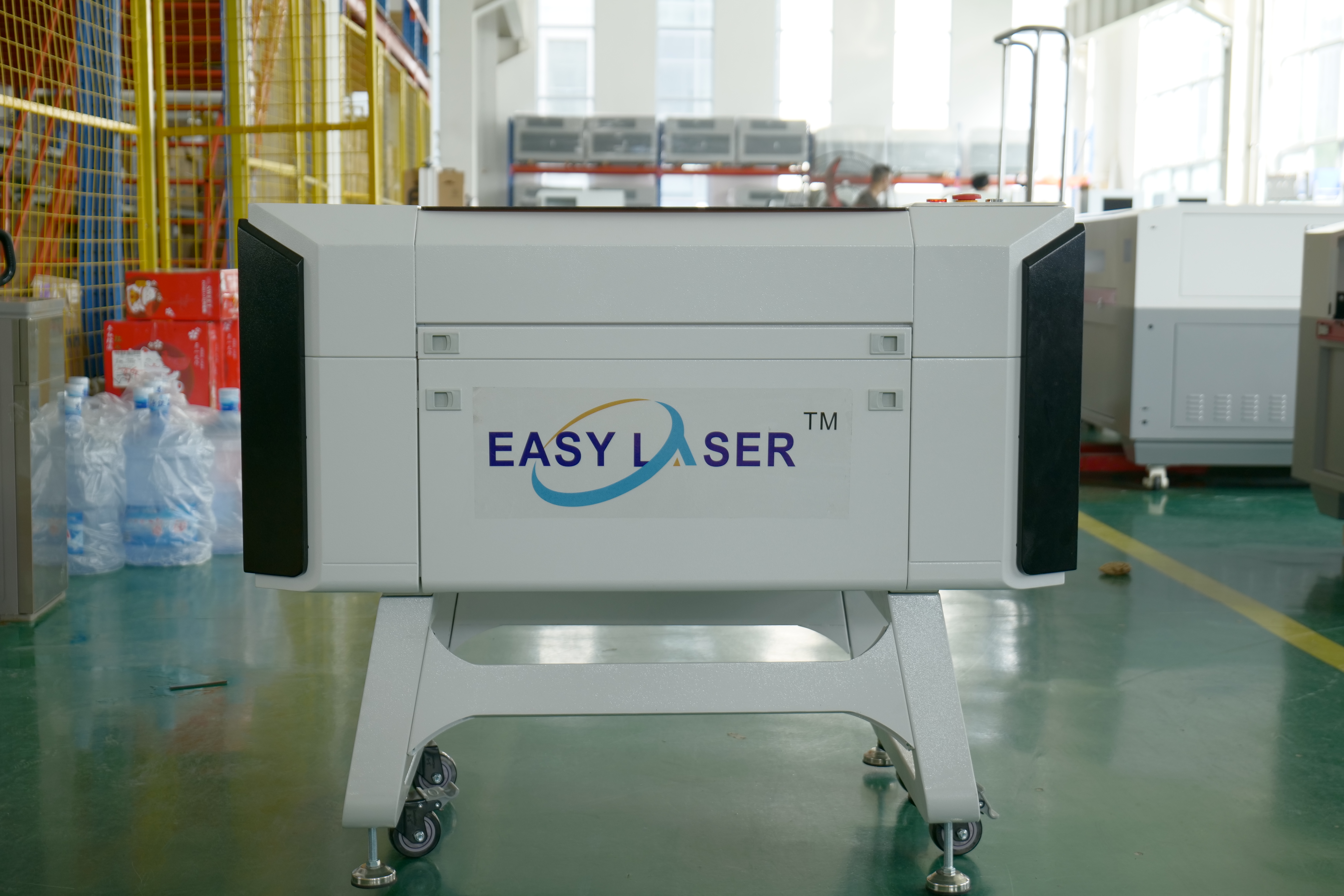
Custom leather patches for apparel, engraved wallets, custom leather jewelry, intricate holiday cards, wedding invitations, felt coasters, custom felt letters for toys, and cardboard packaging prototypes offer diverse production opportunities. Address the risk of material scorching and melting. Genuine leather and wool felt produce distinct, organic odors requiring heavy-duty carbon filtration. Synthetic leather must be verified as PVC-free to prevent toxic, corrosive off-gassing. Vector scoring differs from raster engraving on delicate paper stocks, allowing operators to maximize throughput speeds.
When working with textiles, speed is your primary variable. Moving too slowly will cause synthetic fabrics like nylon or polyester to melt and fuse to the honeycomb bed. Fast, low-power passes ensure a clean cut that seals the edge of synthetic fabrics, preventing fraying. For paper and cardstock, operators should utilize low-pressure air assist to prevent small, lightweight cutouts from blowing around the machine bed and interfering with the laser path.
Custom 5S tool-crib organizer inserts, protective foam packaging for delicate instruments, foam case inserts, and architectural modeling foam are essential industrial applications. Polyethylene, polyurethane, and EVA foams behave differently under the laser beam, presenting risks of rapid melting, shrinkage, and flammability. Selecting the correct lens focal length is crucial to achieve deep, perpendicular cuts in thick foam blocks without beveling.
Cutting thick foam requires a longer focal length lens, typically 3 inches or 4 inches. A standard 2-inch lens creates an hourglass-shaped beam profile that results in heavily beveled edges on materials thicker than half an inch. By switching to a longer focal length, the beam remains straighter over a longer distance, producing the vertical walls necessary for snug-fitting tool inserts and professional packaging.
Etched glassware, tumblers, slate coasters, granite memorial plaques, and custom vulcanized rubber stamps serve niche markets. CO2 lasers micro-fracture glass, marble, and stone rather than cutting them. Rotary attachments are required for cylindrical objects. Specific low-odor rubber compounds are needed for laser-safe stamp making. Compare the finish quality of glass etching when wet, using damp paper towels, versus dry engraving to prevent thermal fracturing.
Engraving glass requires careful heat management. The laser does not remove material; it causes microscopic fractures on the surface. If the glass gets too hot, these fractures can spread, causing the item to crack or shatter. Applying a wet sheet of newspaper or a damp paper towel over the engraving area helps dissipate heat, resulting in a smoother, more consistent frosted finish without compromising the structural integrity of the glassware.
Map specific products to minimum machine specs. A 40W desktop unit suffices for custom jewelry, while a 130W 4x8 ft flatbed is necessary for full-scale acrylic signage and retail displays. Dual-head laser configurations, pass-through doors, and automated conveyor beds significantly impact batch production times for high-volume consumer items.
Wattage directly dictates your production ceiling. A 60W tube might cut 1/4-inch plywood at 15mm per second, while a 130W tube can cut the same material at 35mm per second. Over an eight-hour shift, that speed difference translates to hundreds of additional parts. However, higher wattage tubes have a larger spot size, which can slightly degrade the resolution of highly detailed photo engravings. Shops focused purely on high-resolution engraving often prefer 40W to 80W tubes, while fabrication shops cutting thick materials lean toward 100W to 150W systems.
An inverse relationship exists between cutting speed and engraving resolution. High speeds often reduce DPI. Stepper motors versus closed-loop servo motors impact the precision of highly detailed products like photo-engraved wood or micro-text on acrylic, dictating the final product quality.
When raster engraving, the laser head moves back and forth rapidly. At high speeds, standard stepper motors can lose steps or introduce vibration, causing the engraved image to blur or shift. Closed-loop servo motors provide real-time position feedback, allowing the machine to maintain pinpoint accuracy even at speeds exceeding 1000mm per second. If your product line relies on intricate details, investing in a machine with servo motors is a non-negotiable requirement.
A common misconception is that entry-to-mid-level CO2 lasers can cut steel or aluminum. They cannot. Using metal marking sprays like CerMark is a mitigation strategy for clients needing occasional metal branding. High-power industrial CO2 systems (150W+ RF metal-sealed tubes) utilizing oxygen-assist gas can cut thin sheet steels, but these configurations carry a high capital cost. Strictly avoid cutting PVC, vinyl, ABS, or polycarbonate. These materials emit hydrochloric acid gas, which damages machine optics, corrodes mechanical rails, and poses severe health risks.
Operators must rigorously verify the chemical composition of unknown plastics before putting them in the machine. A simple burn test with a lighter can often identify PVC by its green flame and acrid chlorine smell. Running even a small sheet of PVC through a laser will instantly begin rusting the linear rails and clouding the mirrors, leading to expensive downtime and replacement parts.
Mandatory infrastructure includes dedicated external exhaust routing, inline HEPA/carbon filtration for commercial or indoor spaces, and Class 4 to Class 1 safety enclosure compliance. Factor the replacement lifecycle of CO2 glass tubes, RF metal tubes, focal lenses, and mirrors into the long-term product pricing strategy.
Do not underestimate the volume of smoke generated by cutting wood and acrylic. A standard inline fan is rarely sufficient for a commercial shop. You need a high-CFM centrifugal blower mounted as close to the exterior exhaust point as possible to maintain negative pressure in the ductwork. If you operate in a retail environment or an office building without exterior venting access, you must invest in a multi-stage fume extractor with pre-filters, HEPA filters, and activated carbon beds to scrub the exhaust air before recirculating it into the room.
Audit your current product catalog and identify the specific materials and thicknesses you process most frequently to determine your required laser wattage.
Measure your largest raw material stock to select a machine bed size that minimizes the need for pre-cutting sheets on a table saw.
Request physical sample cuts from the manufacturer using your exact materials to verify edge quality and actual cycle times.
Evaluate your facility's electrical and ventilation infrastructure to ensure you can support the required exhaust blowers and industrial chillers.
Schedule a live technical demo with a reputable manufacturer to test the software workflow and observe the machine's mechanical stability at high speeds.
A: Standard glass-tube CO2 lasers cannot cut bare metal. They rely on chemical marking sprays to leave a permanent mark. Fiber lasers or high-power industrial CO2 lasers equipped with oxygen assist are required to cut metal.
A: Cast acrylic is best for engraving because it produces a clean, frosty white finish ideal for lighting and awards. Extruded acrylic is better for cutting, as it melts cleanly and produces a flame-polished edge.
A: A 100W CO2 laser can typically cut wood between 1/2 inch and 3/4 inch thick. The exact thickness depends on wood density, moisture content, and the focal lens selected.
A: Yes. The laser micro-fractures the surface of granite, slate, and marble, leaving a clean, high-contrast, permanent mark without cutting through the material.
A: Never cut PVC, vinyl, ABS, or polycarbonate. These materials emit toxic hydrochloric acid gas that poses severe health risks and causes structural damage and heavy melting to the machine.
A: Engraving is a raster-based process that removes material to create filled areas or images. Scoring is a high-speed, low-power vector process that marks thin lines on the material surface.
A: A rotary attachment is necessary if you plan to produce cylindrical products like custom steel tumblers, wine bottles, and pint glasses, as it rotates the object while the laser fires.


