
Please Choose Your Language
Views: 0 Author: Site Editor Publish Time: 2026-10-03 Origin: Site


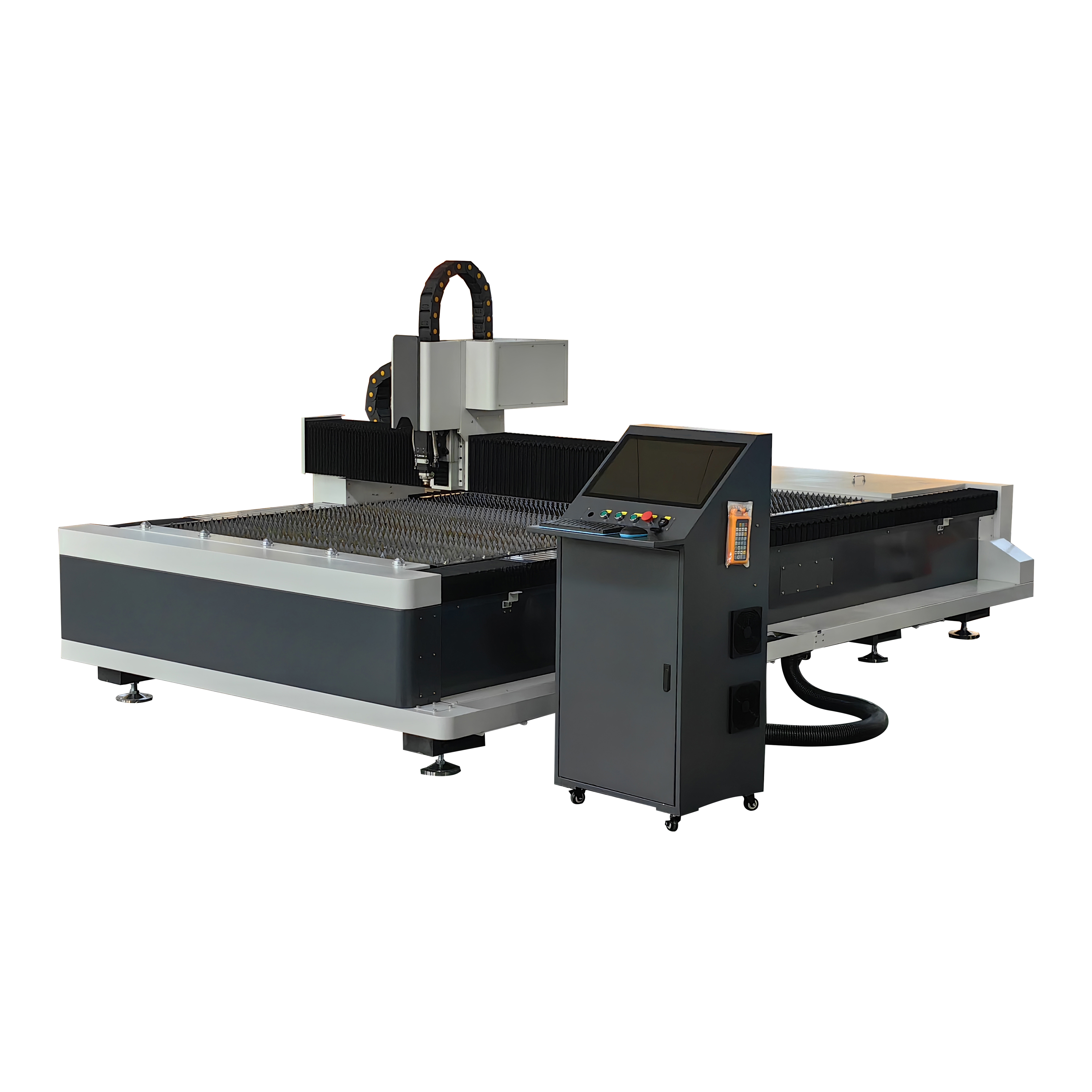
In the modern manufacturing landscape, a reliable sheet metal laser cutter stands as the backbone of any serious fabrication shop. It delivers rapid production speeds, incredible dimensional accuracy, and exceptionally clean edges. However, for business owners and procurement managers looking to upgrade their floor equipment, a critical question inevitably arises. Exactly what materials can this machinery process profitably?
Not all laser systems are created equal. Similarly, not all metals react to intense thermal energy in the same way. The reflectivity, thermal conductivity, and sheer thickness of a given alloy dictate the required technology. This guide breaks down material compatibility from a frontline engineering perspective. We will explore the operational nuances of handling tricky reflective alloys. Furthermore, we will provide a strict, parameter-based buying framework to help you choose the perfect equipment for your daily production demands.
Recent market analyses regarding metal processing reveal a distinct shift in how fabrication shops operate. Global supply chains now demand tighter tolerances and faster turnarounds. Consequently, job shops are rapidly moving away from single-material specialization. There is a massive surge in demand for on-demand manufacturing hubs capable of seamlessly transitioning between standard mild steel and non-ferrous reflective alloys without manual intervention.
This trend drives the widespread adoption of multi-kilowatt fiber systems. Modern manufacturing facilities prioritize versatile equipment that adapts to fluctuating raw material prices and availability. By investing in high-wattage fiber technology, shops ensure they never have to turn down a lucrative contract due to machine limitations.
At its core, the process involves generating an intensely focused beam of light channeled through fiber optics. This beam melts or vaporizes the target material. Once the focal point penetrates the surface, the crucial second phase begins. High-pressure assist gases blast precisely through the copper nozzle alongside the beam. This violent expulsion of molten slag from the kerf leaves behind a smooth edge. If your gas pressure or focal point is off by even a fraction of a millimeter, you will get burrs. Precision is everything.
Historically, heavy industry relied on mechanical shears, plasma, or waterjet systems. Today, the transition toward light-based processing is undeniable. Operators upgrade because fiber technology offers incredibly narrow kerf widths. This translates to tightly nested parts and drastically reduced scrap metal. Additionally, the minimal heat-affected zone prevents warping on delicate components. You get zero mechanical tool wear and maximum material utilization.
Carbon steel is the most cooperative material found on any shop floor. Its high carbon content absorbs thermal energy with remarkable efficiency. You will frequently see it utilized in automotive framework and heavy structural components. When dealing with thicker plates, operators introduce Oxygen as an assist gas. This creates an exothermic reaction that essentially burns the metal away. It allows lower-wattage machines to punch above their weight class. Conversely, Nitrogen is applied to thinner sheets to yield a pristine, oxidation-free edge.
Stainless steel demands a strictly controlled operational approach. Known for producing highly precise and sterile cuts, it is the go-to material for medical devices and food processing equipment. To maintain the material inherent anti-corrosive properties, high-pressure Nitrogen is mandatory. This inert gas shields the heated edge from ambient oxygen. It prevents the dreaded black oxidation crust that would otherwise require hours of costly manual grinding to remove.
Aluminum is universally prized for its lightweight yet durable nature. However, it presents a unique thermal challenge. Because aluminum possesses exceptionally high thermal conductivity, it rapidly dissipates heat away from the cut zone. Therefore, operators must apply significantly more peak power to sever aluminum compared to a piece of steel of the identical gauge. Compressed air is often used here as a cost-effective assist gas for non-critical edges.
For decades, highly reflective metals were the bane of laser operators. Older CO2 systems struggled immensely. The mirrored surface of copper would literally bounce the beam back up through the cutting head. This dangerous back-reflection could instantly destroy expensive internal lenses and cause catastrophic downtime.
The modern solution lies in solid-state physics. A fiber system operates at a wavelength of approximately 1.06 micrometers. At this specific wavelength, the energy is absorbed exponentially better by reflective alloys. This fundamental difference in light absorption allows modern equipment to slice through brass and copper safely.
While both are reflective, they behave differently under the beam. Brass is generally easier to process because its zinc content naturally lowers the overall reflectivity. Pure copper stubbornly resists piercing. Successfully tackling copper requires a machine capable of delivering massive bursts of peak power to quickly break the surface tension.
To help you visualize shop floor capabilities, here is a practical breakdown of what standard industrial machines can handle based on real-world parameters.
| Material Type | Optimal Assist Gas | 1500W Max Thickness | 6000W Max Thickness | Processing Difficulty |
|---|---|---|---|---|
| Carbon Steel | Oxygen / Nitrogen | 14mm - 16mm | 25mm+ | Low |
| Stainless Steel | Nitrogen | 6mm - 8mm | 20mm+ | Medium |
| Aluminum | Nitrogen / Air | 6mm | 16mm+ | High |
| Brass | Nitrogen | 5mm | 12mm | High |
| Copper | Oxygen / Nitrogen | 3mm | 10mm | Very High |
For workshops focusing on thin-gauge materials, investing in precision sheet cutting equipment in the 1500W to 2000W range is highly economical. These units are best suited for fabricating HVAC ductwork, intricate signage, and small electronic enclosures. Operationally, they comfortably handle up to 14mm of carbon steel and 6mm of stainless steel. Many of these units feature a compact 60x60cm footprint. This makes them an excellent choice for smaller, space-constrained facilities that still demand industrial-grade accuracy.
When the job demands heavy industrial manufacturing or thick plate processing, stepping up to high-power metal fabrication laser cutting systems rated at 6000W becomes an absolute necessity. These powerhouses slice through 25mm carbon steel and 20mm stainless steel with blazing fast traversal speeds. The distinct commercial advantage here is twofold. Higher wattage does not just unlock the ability to cut thicker slabs. It drastically multiplies the speed at which you process thinner sheets, exponentially increasing your overall factory throughput and profit margins.
While structurally similar to mild steel, galvanized sheets are coated in a layer of zinc to prevent rust. The underlying steel cuts effortlessly. However, the intense heat vaporizes the zinc coating instantly. This vaporization creates thick and highly toxic fumes. Shops processing galvanized material must ensure their equipment features a fully enclosed structural design paired with heavy-duty industrial dust extraction.
Slicing through pre-painted panels or metals wrapped in protective films requires meticulous parameter tuning. If the heat is too intense, the coating melts directly into the cut edge and ruins the cosmetic finish. Seasoned engineers utilize a two-pass methodology. The machine first executes a rapid low-power pass to neatly vaporize the film along the cut line. This is followed immediately by a high-power secondary pass to sever the bare metal beneath.
Do not fall into the trap of over-purchasing or under-equipping your shop. Use this frontline checklist to finalize your procurement strategy.
No. Fiber systems are strictly engineered for interacting with metals. The specific 1.06-micrometer wavelength of the light will not cut wood or acrylic effectively. Instead, it will simply scorch or melt the material uncontrollably. You need a CO2 system for non-metals.
While it is physically possible, it is highly discouraged. Heavy rust, mill scale, or oil on the surface disrupts the assist gas dynamics and causes the beam to scatter. This results in severe burring, inconsistent cut quality, and potential damage to the protective lens. Always prep and clean your materials for optimal results.
Operating costs are remarkably low compared to legacy systems. The primary expenses are electricity consumption, assist gases, and minor consumables like copper nozzles and protective lenses. Depending on your local utility rates and whether you use bulk liquid Nitrogen or an in-house air compressor, running a standard 2000W to 6000W machine typically costs between a few dollars to roughly fifteen dollars per hour of active cutting.
Nitrogen functions as an active shielding gas. As the beam melts the steel, high-pressure Nitrogen aggressively blows the molten slag through the bottom of the kerf without chemically reacting with the heated metal. This vital shielding effect perfectly preserves the core corrosion-resistant properties of the stainless steel.
Yes. For thin to medium-gauge sheet metals up to 15mm, light-based processing is exponentially faster and yields a far higher degree of dimensional precision than plasma. Plasma technology is generally reserved for extremely thick structural plates where raw severing power is required and microscopic precision is not the main concern.
Investing in modern cutting technology is a definitive game-changer for any metal fabrication business aiming to scale. By deeply understanding exactly which metals your equipment can handle, you can precisely optimize your production line for maximum efficiency. Matching the machine core capabilities to your specific material needs is the ultimate key to securing a high return on investment. Whether your daily operations require a compact 1500W to 2000W setup for intricate part detailing, or a massive 6000W powerhouse to tear through thick industrial plates, making the right choice dictates your future profitability. Evaluate your current workload, anticipate future material trends, and explore the robust lineup of professional equipment at easycnclaser.com to find the exact machine engineered for your shop floor.


