
Please Choose Your Language
Views: 0 Author: Site Editor Publish Time: 2026-10-13 Origin: Site


Modern manufacturing is evolving at a breakneck pace. Walk onto any global factory floor today, and you will quickly notice a massive shift. Automated robotics and intelligent systems are rapidly replacing sluggish, manual production lines. Historically, traditional metal tube processing relied heavily on band saws, milling machines, and manual plasma torches. This legacy approach has remained a notorious bottleneck for decades, plagued by slow cycle times, high margins of error, and excessive material waste.
A sophisticated solid-state laser system effectively resolves these operational headaches. By bridging the gap between raw material handling and final assembly, this technology offers a definitive upgrade in speed, accuracy, and overall cost-efficiency. In the following sections, we will explore the core sectors leveraging this equipment, the specific metals it can handle, and the strategic criteria for selecting the exact system for your fabrication needs.
Advanced laser systems have become critical infrastructure in automotive, aerospace, construction, medical, and furniture manufacturing.
These automated solutions provide unparalleled dimensional precision and drastically faster production cycles. They deliver a measurable long-term return on investment compared to legacy gas lasers or mechanical sawing.
The technology excels at processing carbon and alloy steels. It also efficiently handles non-ferrous and highly reflective metals such as aluminum, brass, copper, and titanium.
Selecting the appropriate equipment requires a careful assessment of maximum tube diameter, wall thickness, and necessary laser wattage.
Transitioning to intelligent computer numerical control processing significantly reduces scrap material through software nesting. It frequently eliminates the need for labor-intensive secondary finishing like deburring entirely.
From an engineering standpoint, a pipe fiber laser cutter is a highly advanced computer numerical control apparatus engineered specifically to slice through cylindrical, square, rectangular, and custom-extruded metal profiles. Traditional mechanical tools rely on abrasive friction and physical force, which often warp the material. In contrast, this equipment generates a high-density, solid-state optical beam. This beam is created within active optical fibers and delivered seamlessly to the cutting head, resulting in virtually zero energy loss.
During a typical operation, a machinist loads a raw metal tube into the machine pneumatic chucks. These intelligent clamps automatically center and secure the material with precise pressure. As the sequence begins, the chucks rotate the pipe at high speeds while the laser head maneuvers along the structural axes. With a sudden flash, the assist gas hisses, and the laser pierces the metal. It executes complex geometries, precise bevels, and intersecting holes in one fluid, continuous motion.
By removing the inconsistencies of manual labor, fabrication shops achieve robotic-level exactness. Every single component matches the digital design model perfectly, ensuring downstream assembly is completely frictionless.
Before diving into specific applications, it is crucial to understand the broader market forces driving this technological adoption. Industry analysts note a structural shift in global metal fabrication. Driven by strict lightweighting requirements in the electric vehicle sector and the rapid rise of modular architectural construction, the demand for high-tolerance cylindrical and rectangular component processing has skyrocketed.
Furthermore, skilled labor shortages are forcing facility managers to rethink their workflows. Manufacturers are actively phasing out multi-step mechanical setups. They are replacing them with single-station automated laser cells to mitigate staffing issues, reduce human error, and accelerate time-to-market. The ability to go from a raw tube to a finished, ready-to-weld part in seconds is no longer a luxury; it is a baseline requirement to stay competitive.
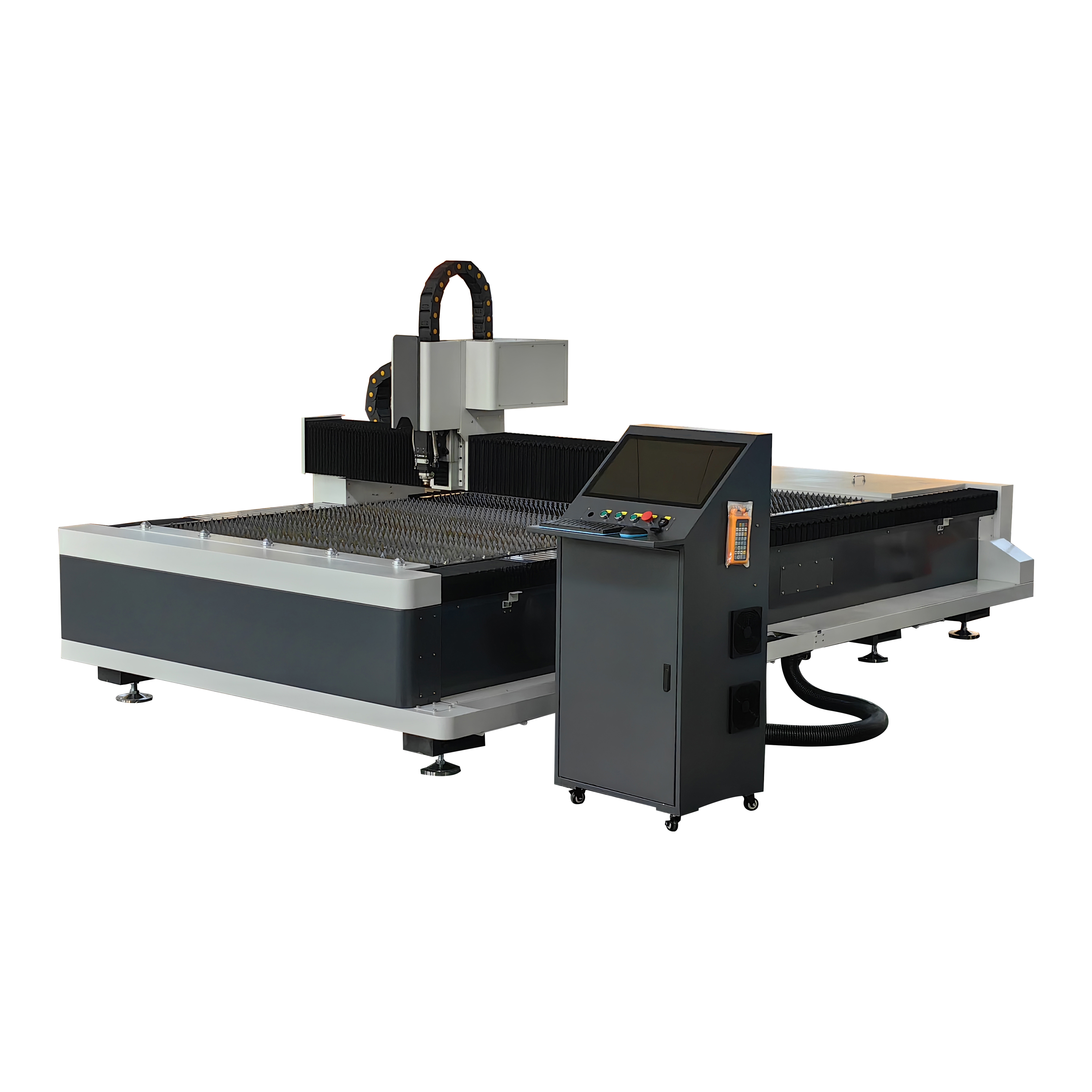
The versatility of optical cutting means it is not confined to a single niche. Let us look at how different sectors are applying this technology on the factory floor.
Structural integrity and passenger safety are non-negotiable in the automotive and aerospace sectors. These industries heavily rely on advanced laser systems to manufacture critical components such as exhaust systems, roll cages, chassis frameworks, and lightweight seat frames. Vehicle designs often require complex tubular intersections to distribute physical stress evenly. The multi-axis capabilities of a modern laser ensure that every joint fits flawlessly. This exact fitment is absolutely crucial for downstream automated robotic welding, ultimately enhancing the final product safety and performance.
Modern architectural design increasingly utilizes exposed metal frameworks, custom scaffolding, and load-bearing bridge components. The construction sector demands equipment capable of handling heavy-duty, thick-walled raw materials rapidly to adhere to strict project deadlines. Specifically, high-wattage steel pipe laser cutting addresses these demands by cleanly slicing through thick structural steel. Traditional methods like plasma coping often leave rough, oxidized edges that require hours of extensive grinding. Laser processing provides a pristine, ready-to-weld edge immediately off the machine bed.
The commercial and residential furniture industry produces items like ergonomic office chairs, metal desks, and durable outdoor patio sets. This sector has been entirely revolutionized by optical cutting. In a highly competitive market, cosmetic aesthetics and rapid production speeds dictate profitability. When processing thin-to-medium tubes for furniture, the laser yields incredibly smooth, burr-free cuts. Consequently, the parts are immediately ready for bending or powder coating, allowing designers to rapidly prototype and scale up mass production.
Medical device fabrication operates under stringent regulatory frameworks where hygiene and micro-precision are mandatory. Equipment such as hospital beds, wheelchair frames, and surgical equipment stands require exact manufacturing tolerances. The non-contact nature of the laser ensures that the sanitary surface of medical-grade stainless steel or titanium is never compromised by physical tool wear. The apparatus can execute tiny perforations and complex interlocking joints flawlessly.
Manufacturing agricultural equipment, such as tractor chassis and large-scale irrigation piping, involves processing oversized, heavy-walled pipes. These machines operate in rugged outdoor environments and endure immense physical stress. High-wattage laser systems are specifically deployed here for their ability to handle massive payloads efficiently. The thermal precision ensures that heavy structural nodes fit together tightly, resulting in deeper, stronger welds and vastly more durable machinery.
For manufacturing facilities evaluating capital expenditures, upgrading to automated laser technology is driven by measurable operational improvements and a compelling financial return.
Manual cutting processes are inherently vulnerable to human error and mechanical tool wear. Solid-state lasers operate via programmed software, offering positioning accuracies and cutting tolerances within fractions of a millimeter. This extreme precision ensures that parts fit perfectly during assembly, drastically reducing scrap rates associated with out-of-tolerance cuts.
One of the most substantial financial benefits is the complete elimination of secondary finishing. Because the laser produces a clean, dross-free edge, businesses no longer need to allocate labor hours to deburring or edge-grinding. Integrating a modern tube processing machine allows companies to reallocate their workforce to higher-value tasks, thereby dramatically reducing overall operational overhead.
Modern systems are equipped with highly advanced nesting software. This digital tool mathematically calculates the most efficient way to arrange cuts along a length of raw pipe. By minimizing the space between parts and utilizing common-line cutting techniques, this optimization drastically reduces offcut waste. It maximizes the financial yield from every batch of raw material purchased.
To truly understand the engineering value, we must compare the modern approach against legacy systems. Procurement teams often weigh these variables when upgrading their factory floors.
Feature | Solid-State Fiber Laser | Traditional Plasma / Band Saw |
|---|---|---|
Cutting Speed | Extremely fast, completing complex profiles in seconds. | Slow cycle times, requiring multiple setups. |
Edge Quality | Smooth, burr-free, ready for direct welding. | Rough edges, heavy dross, requires manual deburring. |
Operating Cost | Low electricity consumption, zero physical blade wear. | High consumable costs for blades, drill bits, and gas. |
Precision | Micro-millimeter exactness driven by digital models. | Prone to mechanical drift and human measurement errors. |
The true versatility of this equipment lies in its ability to process a wide spectrum of industrial metals with varying thermal and reflective properties.
Carbon Steel and Mild Steel: This is the most prevalent application in heavy manufacturing. When paired with oxygen as an assist gas, an exothermic reaction occurs. This accelerates the cutting speed and leaves a clean, perpendicular edge.
Stainless Steel: Highly favored in the medical and food-processing sectors, stainless steel requires nitrogen as an assist gas to displace oxygen and prevent oxidation. The laser minimizes the heat-affected zone, leaving a pristine, anti-corrosive finish.
Aluminum: Known for being lightweight yet strong, aluminum is widely used in aerospace. Modern optical units feature built-in back-reflection isolators that easily overcome the thermal conductivity of aluminum, delivering distortion-free cuts.
Brass and Copper: These highly reflective materials are notoriously difficult for older methods. The rapid absorption of the modern laser wavelength allows the machine to pierce and cut these pipes with precision tolerances, ideal for specialized electrical enclosures.
Selecting the optimal machine requires a data-driven assessment of your current production requirements and future scaling plans. Engineers must look beyond basic specifications and evaluate real-world processing needs.
Laser power directly correlates with the maximum thickness the machine can penetrate and the speed at which it operates. Low to medium power ranges, typically between 1500W and 2000W, are highly efficient for thin-walled tubes, standard 60x60cm profiles, furniture manufacturing, and light fabrication. In contrast, high power systems at 6000W and above are strictly mandatory for processing thick structural carbon steel, heavy agricultural machinery components, and infrastructure pipelines.
The physical dimensions of your raw materials dictate the mechanical specifications of the apparatus. You must evaluate the maximum outer diameter and the maximum length of the pipes you intend to process. Verify the weight-bearing capacity of the pneumatic chucks to ensure they can securely support heavy-walled pipes without slipping during high-speed rotation.
To maximize throughput, closely evaluate the automation capabilities. Features such as automatic bundle loading systems, intelligent self-centering chucks, and automated unloading mechanisms significantly reduce machine downtime. Robust nesting software is equally critical for streamlining the digital workflow and minimizing material waste.
Regardless of the specific sector, integrating advanced laser cutting technology has transitioned from a mere competitive advantage to a fundamental industrial requirement. By shifting away from slow, manual labor and embracing high-speed, automated precision, businesses can drastically lower secondary processing costs, maximize material utilization, and scale their production capabilities profitably.
If your facility is evaluating an upgrade to automated manufacturing, we strongly encourage you to take the next step. Browse the comprehensive catalog at Easy CNC Laser to find reliable, high-performance equipment. Contact their technical sales team today for a custom return on investment analysis, request specific material testing, and identify the perfect machine configuration for your exact operational needs.
The maximum cutting thickness is directly determined by the wattage of the laser source and the type of assist gas used. A standard 1500W machine can efficiently cut carbon steel pipes with a wall thickness up to 10mm. Mid-range 3000W machines can process up to 16mm. For heavy industrial applications, a 6000W machine can easily cut through carbon steel pipes exceeding 25mm in thickness. Cutting capacities are generally lower for non-ferrous metals like aluminum or stainless steel at the same wattage.
Yes. Modern systems are equipped with self-centering pneumatic or servo-driven chucks designed to securely grip various geometric profiles. Combined with advanced control software, these machines seamlessly process round, square, rectangular, oval, hexagonal, and custom-extruded profiles. The software automatically calculates the rotational speed and the laser head height to maintain a consistent focal point as flat and corner sections pass beneath the beam.
While the underlying technology is highly advanced, the operational interface is specifically designed for user accessibility. Modern machines utilize intuitive control panels and sophisticated nesting software. Operators simply import their 3D models, and the software automatically generates the cutting path and sets the laser parameters. With professional training, most operators master the fundamental operations and safety protocols within a few days.
These are solid-state devices with no moving parts or delicate mirrors within the generation source, making them virtually maintenance-free compared to older gas technology. The primary maintenance tasks are straightforward and localized to the cutting head and auxiliary systems. Operators must routinely inspect and clean the protective lenses to prevent dust burn-in, ensure the copper nozzles are free of spatter, and verify that the industrial water chiller is maintaining the correct temperature.
The choice of assist gas depends entirely on the material being processed. Oxygen is typically used for carbon steel because it creates an exothermic reaction that speeds up the cut. Nitrogen is used for stainless steel and aluminum to blow away molten material while shielding the cut edge from oxidation, resulting in a clean, weld-ready finish. Compressed air can also be used for thinner materials as a cost-effective alternative, provided it is properly filtered and dried.
Nesting software acts as the digital brain of the operation. Before any cutting begins, the software analyzes the required parts and mathematically arranges them along the length of the raw tube. It optimizes the layout to leave the absolute minimum amount of scrap metal between cuts. It also utilizes common-line cutting, where two adjacent parts share the same cut line, further reducing material waste and saving significant raw material costs over time.


