
Please Choose Your Language
Views: 0 Author: Site Editor Publish Time: 2026-04-03 Origin: Site


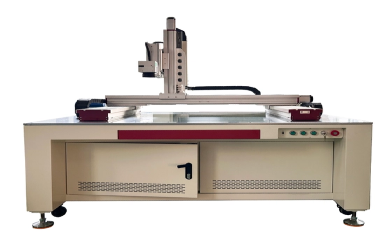
Laser Glass Drilling Machines and Edge Polishing Integrated Machines are two critical technologies in the modern glass processing industry. Laser Glass Drilling Machines are used to precisely create holes in glass materials, offering high accuracy and minimal damage to delicate surfaces. On the other hand, Edge Polishing Integrated Machines are designed to smooth and finish the edges of glass, providing a polished, clean appearance while ensuring safety and quality. As the demand for high-quality, customized glass products continues to rise, there is a growing push for automation in glass processing. Integrating these advanced machines with other equipment such as glass cutting, washing, and tempering systems allows for a seamless production flow, drastically improving efficiency, reducing labor costs, and enhancing the precision of the final product. By combining these machines, businesses can streamline their operations, meet higher production demands, and deliver consistent, high-quality glass products faster than ever before.
Edge polishing machines are designed to refine the edges of glass, providing a smooth, polished finish that enhances both the aesthetic and safety of the glass. These machines use abrasive materials and high-speed rotation to smooth the edges, removing sharpness and creating a sleek finish. Different types of finishes, such as matte or glossy, can be achieved depending on the product's requirements.
· Straight-line Edging Machines: Used to polish straight-cut glass edges, providing clean finishes for products like windows and glass panels.
· Corner Rounding Machines: These machines round sharp corners of glass, commonly used for furniture and decorative glass, improving both safety and design.
· Beveling Machines: Used to create angled, decorative edges on glass, often found in mirrors and high-end architectural glass.
Integrating edge polishing machines with other equipment optimizes the production process, improving efficiency and quality.
Combining laser drilling with edge polishing allows for a continuous production process, completing both drilling and polishing in one step. This integration saves time and enhances production efficiency, particularly for applications needing both precise holes and polished edges.
When glass cutting is paired with edge polishing, the glass can go directly from cutting to polishing, reducing handling time and minimizing defects that may occur during transfers. This creates a more efficient and seamless process.
Washing systems integrated with edge polishing machines clean the glass before and after polishing, ensuring the glass is free from debris or contaminants that could affect the finish. Clean surfaces lead to higher-quality results in the polishing process.
After edge polishing, tempering lines enhance the glass’s strength and thermal resistance. The combination of polished edges and heat treatment ensures that the glass is both aesthetically pleasing and durable for various applications.
Edge polishing before lamination ensures smooth, clean edges, which improves the final appearance of laminated glass. This integration is essential for maintaining clarity and structural integrity in laminated glass products.
Integrating edge polishing machines with other glass processing equipment brings several key advantages, making production lines more efficient, cost-effective, and versatile.
Combining multiple processes into a single machine setup significantly speeds up production cycles. By integrating functions such as laser drilling, cutting, and edge polishing, manufacturers can eliminate the need for separate machines and manual transfers between processes. This streamlined workflow reduces handling time, minimizes the chance of defects, and increases overall productivity, allowing for quicker turnaround times.
Integration ensures that each process—whether drilling, cutting, or polishing—is performed with greater precision and consistency. The ability to control all steps within a unified system allows for uniform edge finishes and more reliable glass quality. Manufacturers can achieve consistent results with minimal variation, ensuring a higher standard of finished products, which is crucial for applications that demand precision, such as architectural and automotive glass.
By combining several functions into one machine or production system, businesses can reduce the need for multiple standalone machines, saving valuable floor space in the production facility. Additionally, this integration cuts down on the need for additional manual labor or machine operators, reducing operational costs. The result is a more compact, cost-efficient production setup that can handle higher volumes without increasing overhead.
Integrated systems allow manufacturers to customize processes based on the unique demands of different glass types and customer specifications. Whether it's for tempered, laminated, or decorative glass, the flexibility of combined systems means businesses can quickly adjust settings for various glass thicknesses, edge finishes, or hole sizes. This adaptability makes it easier to meet diverse customer needs, ensuring high levels of satisfaction across different industries, from construction to interior design.
While integrating edge polishing machines with other glass processing equipment offers numerous benefits, there are several challenges that manufacturers may encounter. Addressing these challenges is essential for ensuring a smooth and efficient integrated production line.
Integrating multiple machines into a seamless workflow can introduce technical challenges, especially when combining different types of equipment with varying capabilities. Compatibility issues may arise between machine software and hardware, leading to malfunctions or inefficient operation. For example, if the laser drilling machine’s speed doesn’t align with the polishing machine’s processing rate, it could result in delays or inconsistent product quality. Ensuring that each machine is properly synchronized requires careful planning and technical expertise to avoid these disruptions.
When integrating different types of equipment, adjusting machine settings to ensure compatibility is crucial. Each machine may have unique requirements for settings such as speed, power, and pressure, which must be fine-tuned to work together harmoniously. A mismatch in settings could lead to defects, such as uneven polishing or inaccurate drilling. Additionally, machines that work with different materials or thicknesses of glass may require regular adjustments to accommodate variations, requiring operators to monitor and adjust settings frequently to maintain optimal performance.
Integrated systems often require more specialized maintenance compared to standalone machines. The complexity of the system increases the potential for wear and tear across multiple components. Maintenance teams must have in-depth knowledge of how the different machines interact and be able to troubleshoot issues that arise from the integration. Regular maintenance schedules, proper training, and access to spare parts are essential to keep the entire system running smoothly and to prevent downtime, which could significantly affect production efficiency.
Glass Processing Equipment | Integration Benefits | Challenges |
Laser Glass Drilling Machine | Streamlined process for drilling and polishing in one go. | Requires careful calibration for hole and edge finish. |
Glass Cutting Machine | Reduces handling time and ensures cleaner edges. | Need for precise synchronization between machines. |
Washing Systems | Ensures clean glass before polishing, reducing defects. | Washing and drying time can impact overall production speed. |
Tempering Lines | Post-polishing tempering enhances glass strength. | Requires integration adjustments for smooth operation. |
Laminating Machines | Provides a smooth, clean edge before lamination. | Lamination process may require additional finishing steps. |
This table highlights the integration of edge polishing with other key glass processing equipment, illustrating both the benefits and challenges of creating a more efficient and streamlined production line.
Combining edge polishing with laser drilling streamlines the glass production process, allowing for precise hole drilling and smooth, polished edges in a single operation. This integration not only reduces production time but also eliminates the need for multiple separate processes, resulting in a more efficient workflow. By handling both tasks in one seamless operation, businesses can enhance both speed and precision, ensuring high-quality glass products while minimizing handling and labor costs.
Yes, many edge polishing machines are designed to handle both flat and curved glass, making them highly versatile for various applications. This adaptability is crucial for industries that require different glass shapes, such as furniture design, architectural glass, and automotive glass. Whether it's polishing the edges of a straight panel or a curved surface, these integrated machines can achieve consistent, high-quality results across all glass types, increasing their value and application range.
Integrating edge polishing with glass cutting streamlines the entire process, reducing handling time and minimizing defects. Instead of transferring the glass from the cutting machine to a separate polishing station, integrated systems allow for seamless processing from one step to the next. This significantly reduces production time, eliminates extra labor, and improves throughput. Additionally, by polishing edges immediately after cutting, manufacturers ensure that the glass has clean, smooth edges, improving both the visual quality and safety of the finished product.
Yes, washing the glass before polishing is crucial to ensure a high-quality finish. Any dust, debris, or contaminants left on the glass could interfere with the polishing process, leading to defects like uneven surfaces or poor-quality edges. Integrated systems often include washing stations that clean the glass before it enters the polishing machine, removing particles that could cause scratches or other imperfections. Washing ensures that the glass is spotless, allowing the polishing process to produce smooth, flawless edges for a higher-quality finished product.
Integrating edge polishing machines with other glass processing equipment offers significant advantages, including increased efficiency, improved quality control, and enhanced cost-effectiveness. By combining processes such as laser drilling, cutting, polishing, and tempering into a single, cohesive system, businesses can streamline their operations, reduce handling time, and produce glass products with consistent, high-quality finishes. This integrated approach not only saves valuable space and reduces labor costs but also allows manufacturers to be more flexible, meeting varied customer demands for different types of glass. By leveraging this integrated technology, companies like Liaocheng Easy Automation Equipment Co., Ltd. can boost production efficiency, achieve superior product quality, and stay competitive in an increasingly demanding market.


