
Please Choose Your Language
Views: 0 Author: Site Editor Publish Time: 2026-11-21 Origin: Site


A persistent bottleneck in apparel manufacturing is scaling production speed without compromising precision. Traditional methods force floor managers to choose between high-volume output and meticulous accuracy. We see this daily on the factory floor. However, modern automated solutions effectively bridge this gap. The fabric laser cutting machine has established itself as the industry standard. It delivers clean and fray-free edges while handling complex geometries with ease.
Specifically, upgrading from a standard single-head unit to a dual-head system fundamentally transforms floor operations. Processing multiple pieces simultaneously drastically increases throughput. You achieve this without expanding the machine footprint. This article explores the core mechanics of dual-head systems. We will examine direct impacts on production timelines, measurable cost-saving benefits, and critical selection criteria for industrial buyers.
Recent industry analyses highlight a massive shift toward localized manufacturing. Fast-fashion agility is now a baseline requirement. Supply chain disruptions continue to pressure brands globally. Consequently, clients demand shorter lead times and smaller batch runs. Traditional die-cutting requires expensive custom molds for every new design. This old method is becoming obsolete for agile businesses. The market is moving heavily toward digital and tool-less manufacturing. A dual-head system perfectly aligns with this shift. Facilities can pivot from cutting heavy winter coats to lightweight summer activewear instantly. You only need to load a new digital file. This flexibility maintains the high output volume required to stay profitable in today's competitive landscape.
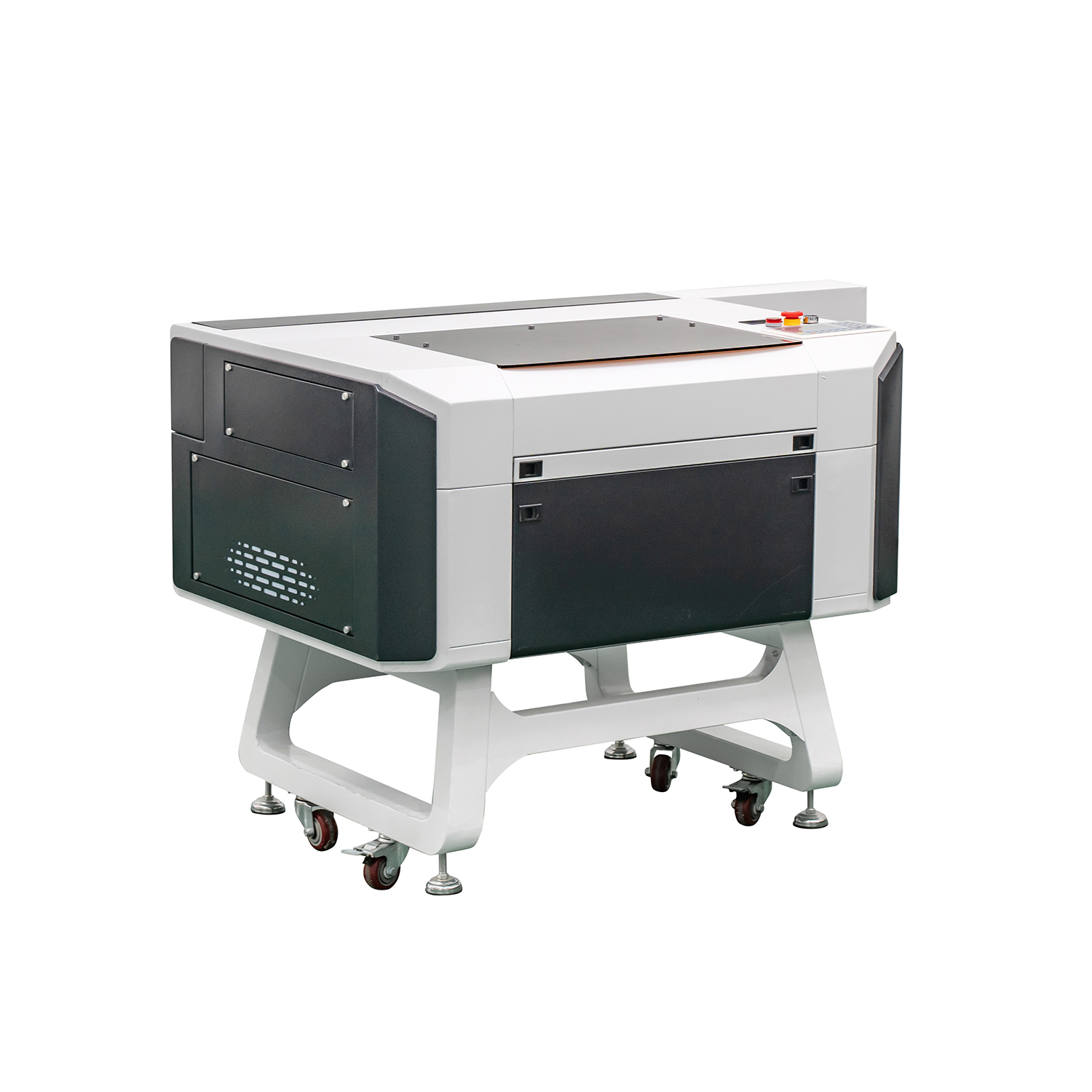
At its core, this equipment uses a focused beam of light to melt or vaporize textiles along a precise digital path. The dual-head configuration multiplies this capacity through specialized hardware.
A standard single-head machine features one laser tube and one focal lens. It processes a single piece of fabric. In contrast, a dual-head machine utilizes two independent laser tubes. It features two cutting heads mounted on the exact same moving gantry. This architecture allows the equipment to perform two tasks at once. You leverage two synchronized lasers to double productivity on a single machine bed.
Advanced Digital Signal Processing controllers manage this synchronization. The software dictates the movement of the gantry along the X and Y axes. Both heads move in perfect unison. Furthermore, operators utilize adjustable head spacing. You can manually or automatically set the exact distance between the two lasers based on pattern size. If a pattern is 200mm wide, the heads are spaced exactly 200mm apart. The machine cuts two perfectly identical pieces side-by-side. There is zero overlap or collision.
| Feature | Single Head Laser | Dual Head Laser |
|---|---|---|
| Cutting Speed | Standard base speed | Effectively doubled for identical patterns |
| Production Output | 1x Volume | 2x Volume |
| Floor Space Efficiency | Moderate | High - Double output in the same footprint |
| Ideal Application | Custom one-off designs, prototyping | Batch processing, mass apparel production |
Scaling production remains the primary goal for upholstery and apparel businesses. Understanding output scaling mechanics is crucial for facility managers. The integration of dual head fabric cutting directly addresses the most time-consuming aspects of textile processing.
The primary mechanism for increased output is batch processing. Manufacturing automotive interiors or plush toys requires hundreds of identical shapes. Cutting two identical shapes at once effectively doubles throughput. A production run taking an entire eight-hour shift on a standard machine finishes in roughly four hours. This frees up equipment for lucrative rush orders.
Synthetic fabrics like polyester are notoriously prone to fraying. Traditional rotary blades struggle here. Laser technology instantly melts and seals the edges of synthetic fibers. This eliminates secondary hemming and edge-finishing. Facilities requiring rapid continuous processing benefit greatly from high-speed RF CO2 technology. It provides the agility to maintain sealed edges even at maximum gantry speeds.
Machine idle time drains production output. Operators spend too much time loading and aligning heavy fabric rolls. Dual-head systems frequently pair with motorized conveyor belts. These systems automatically unroll and feed fabric directly into the cutting bed. The machine spends significantly more time actively processing materials.
Fabric waste eats directly into profit margins. Every discarded square inch is lost revenue. A textile laser cutter excels in material optimization through software and hardware synergy.
Modern software includes highly intelligent nesting algorithms. The system analyzes required digital patterns before cutting begins. It automatically arranges them tightly together. This nesting process calculates the optimal layout. It utilizes every available inch of the fabric roll while accounting for grain direction.
Mechanical tools require buffer space between patterns. This prevents the blade from chewing adjacent fabric. Lasers operate with a micro-thin cutting kerf. The beam width is often less than 0.1mm. It exerts zero physical pressure on the material. Patterns can be placed mere millimeters apart. High-density nesting ensures scrap material remains at an absolute minimum.
Picture a typical mid-shift factory floor. Operators meticulously pin patterns and fight against fabric shift. They battle hand fatigue from heavy industrial shears. Traditional methods rely heavily on skilled manual labor. This introduces high payroll costs and inevitable human error.
Automated cutting drastically reduces physical workloads. The machine handles precision cutting and automated feeding. A single trained operator easily monitors multiple machines simultaneously. Businesses can reallocate their workforce to quality control or design. This optimizes payroll expenses without sacrificing output.
Manual cutting is highly susceptible to fatigue. Accuracy inevitably drops over an eight-hour shift. This results in inconsistent cuts and ruined fabric. Automated systems provide absolute consistency across thousands of cycles. A piece cut on Friday afternoon is dimensionally identical to one cut on Monday morning. Predictability means fewer rejected products.
Laser technology offers incredible versatility. Professional-grade equipment processes a vast array of materials. Manufacturers diversify product offerings without purchasing new cutting tools.
CO2 lasers effectively process standard apparel textiles. Common materials include cotton, silk, linen, and wool. Natural fibers do not melt like synthetics. However, lasers still provide a clean cut without physical distortion. Furthermore, they are exceptionally effective with polyester, nylon, fleece, and spandex. The heat seals the edges perfectly.
Dual-head lasers dominate demanding industrial applications. They easily slice through tough technical textiles used in automotive and aerospace sectors. This includes heavy-duty Kevlar, Cordura, neoprene, and spacer fabrics.
Safety Note: Certain materials pose severe risks. Polyvinyl chloride and other halogen-containing fabrics release toxic chlorine gas when exposed to a laser. This hazard corrodes internal machine components and endangers operators. Never process these materials.
Evaluating equipment requires looking beyond basic specifications. Buyers must seek features that maximize the utility of a dual-head configuration. Real-world floor efficiency depends on these integrated technologies.
Continuous roll-to-roll processing requires an auto-feeding conveyor table. The machine uses a specialized mesh conveyor instead of a static honeycomb bed. It pulls fabric directly from a motorized roll feeder. This guarantees tension-free feeding.
Vision recognition is critical for sublimated sportswear and printed textiles. An integrated CCD camera scans printed fabrics as they feed into the cutting area. The software recognizes the contours of the printed design. It adjusts the cutting path in real-time to account for fabric stretch. This ensures the cut perfectly matches the print.
Fabric thickness varies wildly. Switching from thin silks to thick neoprene requires focal adjustments. Auto-focus technology uses optical sensors to adjust the laser head height automatically. The focal lens remains at the perfect distance from the material surface. Operators avoid manual calibration for every new fabric roll.
Facility managers often hesitate at the initial capital expenditure of heavy equipment. However, the return on investment is highly predictable.
Consider a simple ROI model. A facility employs two manual cutters producing 500 units daily. Implementing a dual-head laser increases output to over 1000 units daily with just one operator. Factor in the doubled production speed and a 10 to 15 percent reduction in fabric waste. Add the saved manual labor salary. Businesses frequently see a complete payback within 12 to 18 months.
Scalability is vital for long-term growth. Processing orders twice as fast allows businesses to confidently bid on larger bulk contracts. You no longer turn down mass-production runs due to capacity constraints.
Upgrading to dual-head technology is a fundamental transformation in production capacity. It doubles daily output and slashes material waste. A labor-intensive factory floor becomes a highly modern operation. Replacing manual shears with synchronized high-speed lasers ensures you meet tight deadlines with unparalleled precision. Are you ready to eliminate production bottlenecks and scale your manufacturing output? Evaluate your current floor operations today. Explore the comprehensive range of advanced solutions at EasyCNCLaser to find the perfect equipment tailored to your specific industrial needs.
In most standard configurations, the two heads are mounted on the same X-axis gantry and move synchronously to cut identical or mirrored patterns. Advanced asynchronous models exist where heads move entirely independently to cut different shapes simultaneously, though these represent a higher tier of investment.
When utilizing the correct speed and power settings alongside proper air assist, laser cutting produces incredibly clean results. Natural fabrics like cotton cut cleanly without excessive burning. Synthetic fabrics melt slightly to form a clean and sealed edge without any yellowing or discoloration.
Industrial systems require adequate floor space to function safely. A standard 1610 machine with a 1600mm by 1000mm working area typically requires at least a 2m by 3m footprint. You must also account for the fabric roll feeder space at the rear, the offload area at the front, and the associated water chillers.
The maintenance protocols are largely the same as single-head units. Operators still perform routine tasks such as cleaning optics, checking water chillers, and emptying scrap trays. The only difference is maintaining two sets of focal lenses and mirrors instead of one.
Yes. By lowering the laser power output and increasing the travel speed of the gantry, the machine engraves patterns or logos directly into fabrics. This technique works exceptionally well on materials like fleece and denim, creating a highly detailed embossed look without cutting through.
Processing fabrics generates smoke and fumes. Industrial systems require a robust exhaust extraction system. High-capacity centrifugal exhaust fans pull smoke away from the cutting bed. This ensures a safe breathing environment for operators and keeps the machine's optical lenses clean.
Generally, retrofitting is not recommended. Dual-head systems require a specifically designed gantry, dual laser tube mounts, and a specialized DSP controller to synchronize the heads. Purchasing a purpose-built dual-head unit ensures structural integrity and precise alignment.


